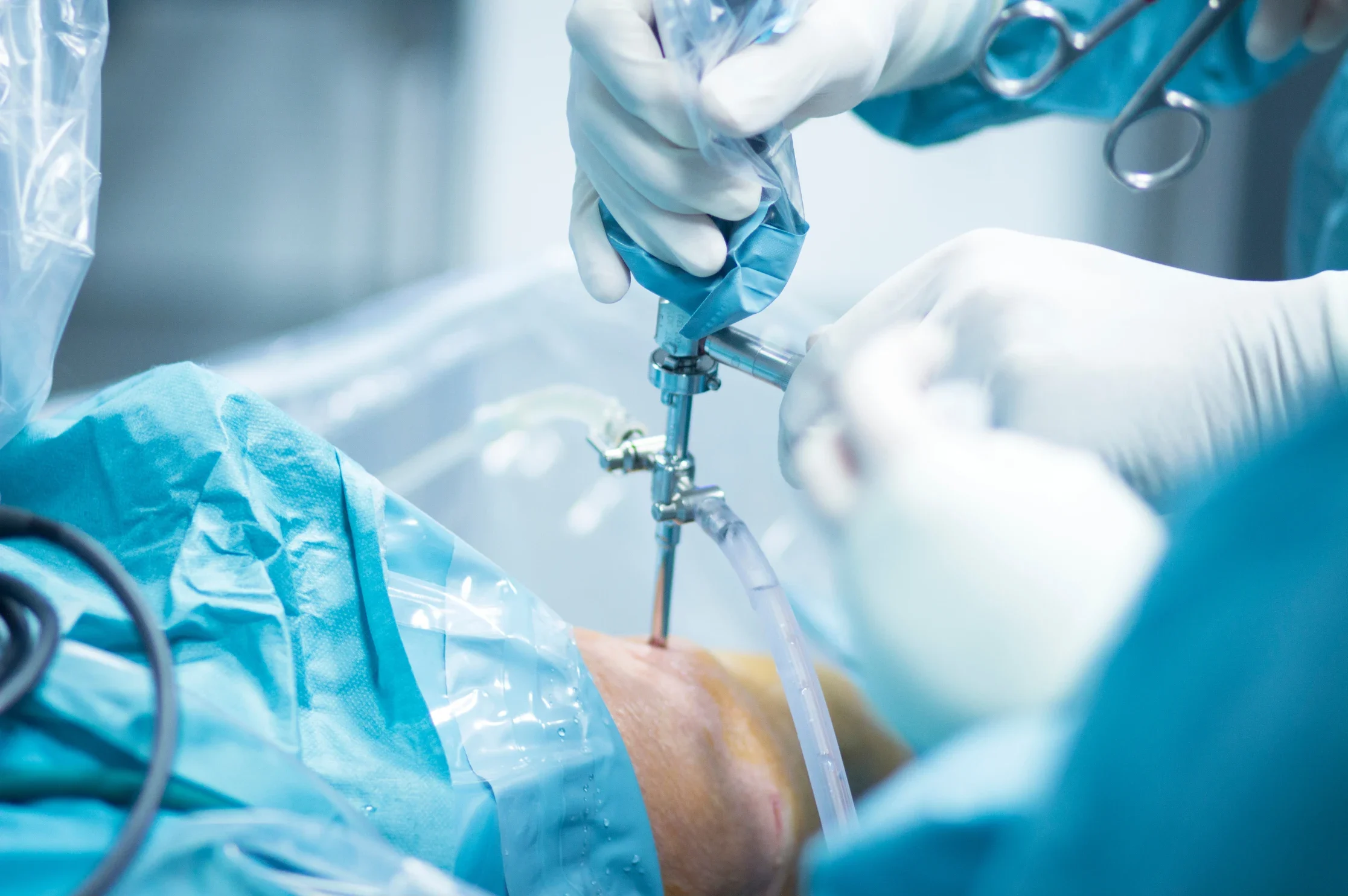
Arthroscopic knee surgery offers a proven, minimally invasive solution for a wide range of knee conditions, helping you get back on your feet faster than traditional open surgery.
Arthroscopic knee surgery, often called “keyhole surgery,” is a minimally invasive technique for diagnosing and treating knee joint issues without large cuts. Instead of traditional open surgery, the surgeon works through tiny portals. A pencil-thin camera, the arthroscope, is inserted through one small incision (1 cm) to project a magnified, high-definition view of the joint’s interior, including cartilage and ligaments, onto a monitor. Through other small portals, specialised miniature instruments are used to precisely repair or remove the damaged tissue, ensuring minimal disturbance to the surrounding healthy structures.
The advantages of arthroscopic surgery over traditional open surgery are:
| Feature | Arthroscopic Knee Surgery (Keyhole) | Traditional Open Surgery |
|---|---|---|
|
Incision Size |
Typically two or three small incisions (1cm) |
Single, large incision (5 to 10 cm) |
|
Tissue Trauma |
Minimal trauma to surrounding muscles and tendons |
Requires cutting through soft tissues to open the joint |
|
Hospital Stay |
Often performed as day surgery; patient goes home same day |
Usually requires an overnight or multi-day hospital stay |
|
Recovery |
Generally faster recovery and quicker return to activities |
Pain/tenderness on the inner aspect; possible buckling. |
|
Pain Level |
Less pain post-operatively |
Higher post-operative pain and medication reliance |
The success of arthroscopic knee surgery hinges on the technology used and the surgeon’s precise skill. The core instrument is the arthroscope, a narrow tube housing a camera and light source.
The procedure typically uses advanced fibre-optic arthroscopes connected to high-resolution video systems, ensuring crystal-clear imaging. The micro-instruments are purpose-built to operate in the joint’s tight confines, allowing for delicate tasks like stitching a torn meniscus or preparing a bone tunnel for ACL reconstruction.
Arthroscopy is a versatile tool, enabling knee specialists to treat a spectrum of injuries and conditions, from sports-related trauma to degenerative joint problems.
If you are experiencing persistent pain, instability, or a locking sensation in your knee, a consultation with an orthopaedic specialist like Dr Yong Ren is essential. Arthroscopic knee surgery is not merely a diagnostic tool; it is a definitive treatment for many of the most prevalent knee complaints. The minimally invasive nature of the procedure makes it an excellent choice for active individuals and athletes in Singapore who require a reliable solution with an efficient recovery pathway.
The meniscus is the C-shaped piece of cartilage that acts as a shock absorber between your thigh bone (femur) and shin bone (tibia). A tear in this structure is one of the most common reasons patients seek orthopaedic consultation.
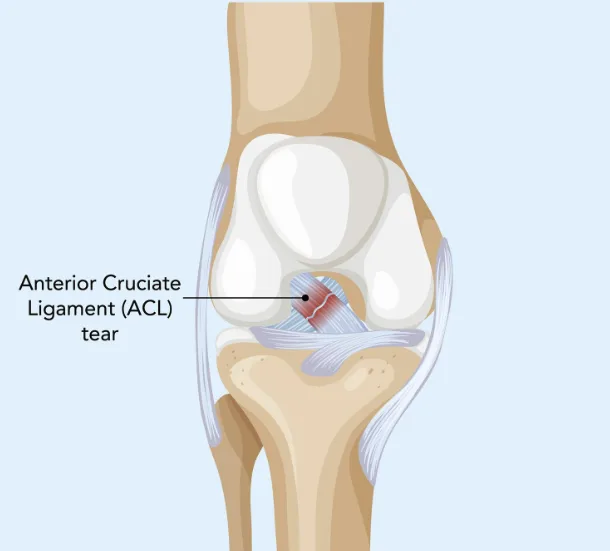
Ligament injuries, especially tears to the Anterior Cruciate Ligament (ACL), are common in high-impact sports. The ACL is crucial for stabilising the knee joint, and an injury often results in instability and a feeling of the knee “giving way.”
Beyond tears and ligament injuries, arthroscopic knee surgery can address several other painful conditions that interfere with normal knee mechanics.
Arthroscopic treatment for kneecap problems and joint locking provides a reliable way to clean up the joint space and stabilise structures, resolving the painful mechanical symptoms that severely limit patient mobility.
A responsible and patient-centric approach to orthopaedics dictates that surgery is considered the final step in a continuum of care.
Dr Yong Ren’s practice emphasises a holistic treatment pathway, ensuring that all non-operative measures are thoroughly evaluated and attempted. Our goal is always to find the least invasive, yet most effective, solution to alleviate your pain and restore function.
For many knee conditions, particularly degenerative tears or mild pain caused by muscular imbalances, a targeted conservative treatment plan yields excellent results.
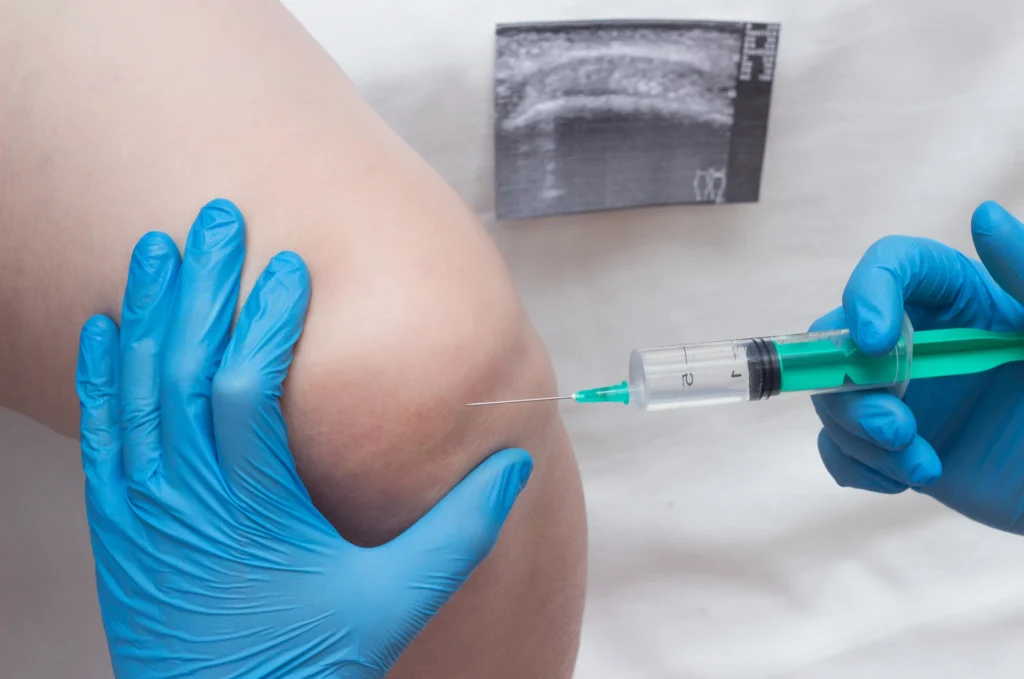
When oral medication and physical therapy alone are insufficient, therapeutic knee injections can offer a powerful, temporary bridge to pain relief. These treatments are performed in the clinic and target the source of inflammation or friction within the joint.
While conservative care is preferred, some conditions absolutely require the mechanical intervention that only Arthroscopic Knee Surgery can provide.
Dr Yong Ren bases his surgical recommendation on a comprehensive evaluation of the patient, including:
Understanding the recovery process helps set realistic expectations and prepares you for the journey ahead. Recovery varies based on the specific procedure performed, but the arthroscopic approach consistently reduces healing time compared to open surgery.
The immediate hours and days following your procedure are crucial for managing inflammation and pain, setting the stage for smooth healing.
Patients are often keen to know when they can resume their normal routine. These milestones vary based on the surgery type:
The true success of your surgery is defined by the long-term outcome, which is highly dependent on a committed approach to long-term rehabilitation.
Getting a diagnosis in the private system involves a few initial costs.
Specialist Consultation
An initial consultation with an orthopaedic specialist typically ranges from $150 to $250.
X-Ray
This is the first-line imaging test and is very affordable, usually costing between $80 and $150.
MRI Scan
If the specialist needs to see the soft tissues in high detail, an MRI may be ordered. This is more expensive, often ranging from $1,000 to $2,000 per joint.
Athroscopic knee surgery costs vary considerably depending on what type of condition you’re treating.
In private hospitals throughout Singapore, surgeon’s fees typically range from $8,500 – $12,500 Public hospital subsidised rates offer more affordable alternatives, though waiting times may be longer and choice of surgeon limited.
Without subsidies, public hospital costs approach private rates.
Medisave
Medisave can be used to pay for hospitalisation and approved surgical procedures, up to specific withdrawal limits. For example, a complex knee replacement is claimable up to a certain amount from the Table of Surgical Procedures.
MediShield Life
This is a basic health insurance plan that helps pay for large hospital bills and selected costly outpatient treatments.
Integrated Shield Plans (IPs)
If you have an IP from a private insurer, it works on top of MediShield Life. These plans are what cover the bulk of the cost if you choose to be treated in a private hospital or an A/B1 ward in a public hospital. It is essential to check your specific plan for coverage, deductibles, and any co-payment required.
The main purpose of arthroscopic surgery is to visualise, diagnose, and treat problems inside the knee joint through small, minimally invasive incisions, reducing recovery time compared to open surgery. This camera-guided approach allows the surgeon to see and address issues like cartilage damage, ligament tears, or loose fragments with high precision.
No, it is generally considered a minimally invasive procedure (keyhole surgery), not a “major” open surgery. However, it is still a significant surgical intervention requiring anaesthesia and careful post-operative recovery. The distinction lies in the reduced trauma to surrounding healthy tissues, which is a major factor in the quicker healing process.
Patients generally experience less pain than with traditional open surgery due to the smaller incisions and less trauma to surrounding tissues. Pain is managed effectively with a combination of prescribed oral medication, diligent RICE therapy, and engagement in early, gentle physical therapy exercises. Pain is a manageable part of the early recovery, not a debilitating one.
While arthroscopic knee surgery has a high success rate and is very safe, like any surgery, it carries potential risks.
These risks should be thoroughly discussed with your orthopaedic surgeon, to provide a complete picture of the procedure.
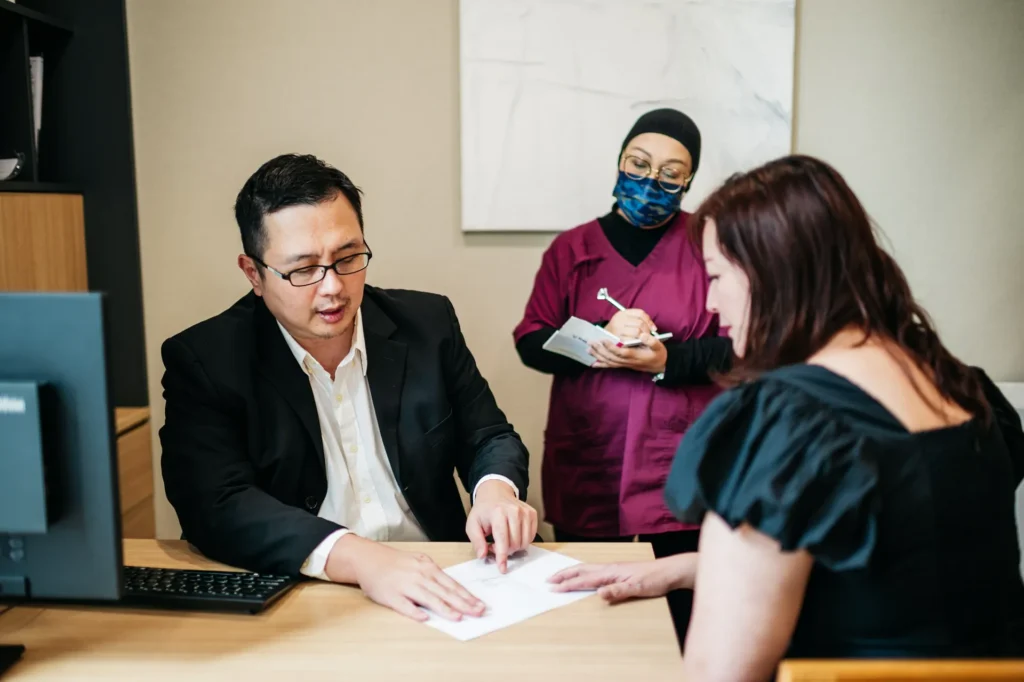
Dr Yong Ren brings extensive expertise to the field of minimally invasive orthopaedic procedures. His background includes specialist training in Switzerland, focusing on complex orthopaedic trauma and reconstruction, underscoring his capability in handling simple to highly complex joint issues.
Choosing us means you benefit from:
Dr Yong Ren’s practice prioritises the least invasive techniques, leading to smaller scars, less post-operative pain, and faster return to function.
We believe in treating the whole patient, not just the injury. This includes a full, multi-modal pathway from non-operative treatments (like physical therapy and injections) to the latest surgical techniques.
We provide clear, locally-relevant guidance on everything from the procedure itself to the intricacies of Medisave claimability and insurance processing in Singapore.
If you have been living with persistent pain, or if you have questions about your orthopaedic condition and wish to explore personalised, advanced treatment options, we encourage you to consult with Dr Yong Ren.
Take the first step toward a pain-free life with a $150 Knee Pain Consultation & X-ray.