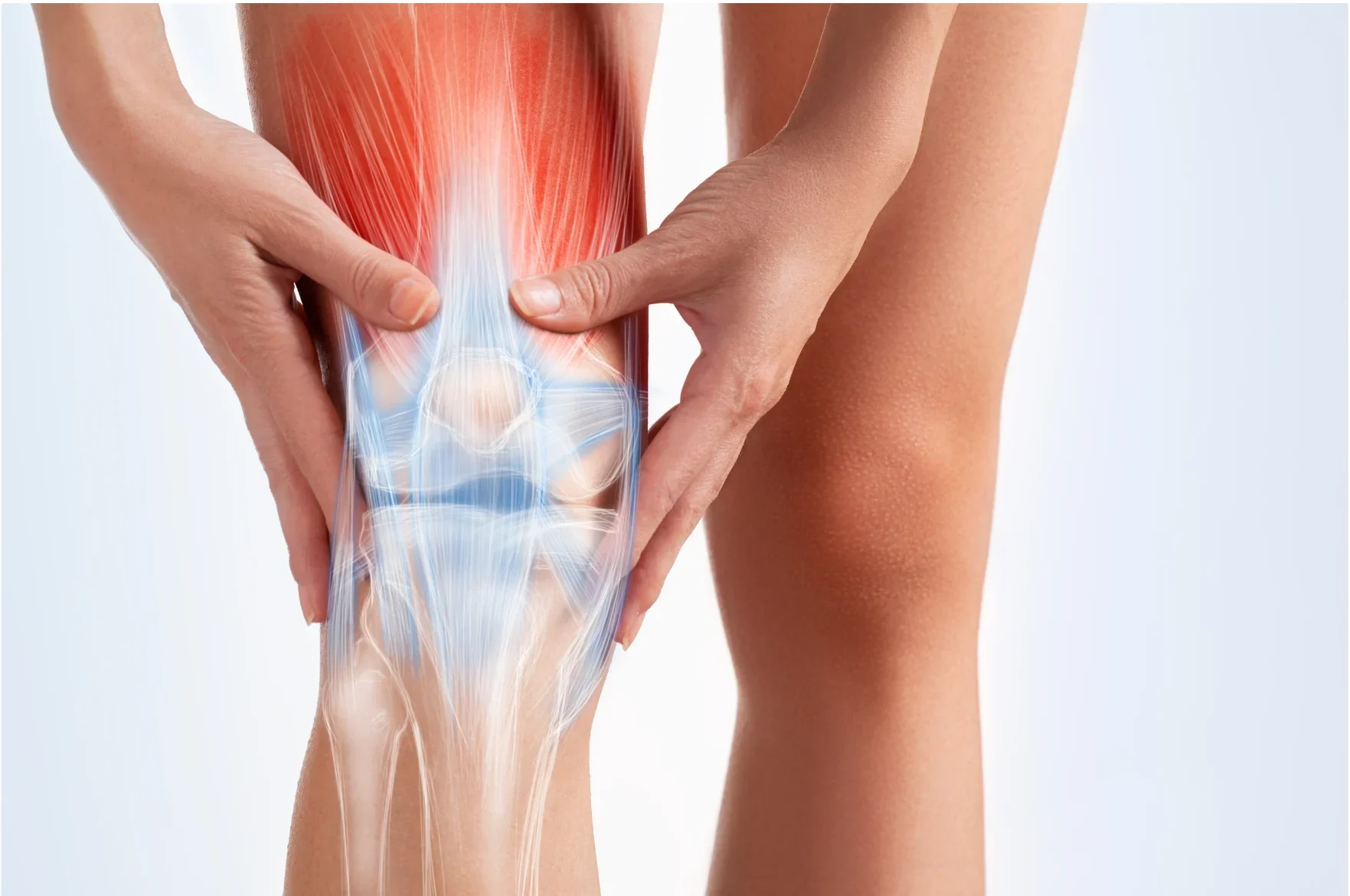
If your knee gives way during pivoting or feels unstable after an injury, you might have a medial collateral ligament (MCL) or posterior cruciate ligament (PCL) tear. Knowing when to opt for conservative treatment versus surgery is key to recovery.
The MCL and PCL represent two distinct ligament structures with different healing capacities and surgical requirements. Proper diagnosis through clinical examination and imaging determines whether you need surgery or can recover through conservative management.
The knee joint is stabilised by four main ligaments, each serving a unique biomechanical purpose. The Medial Collateral Ligament (MCL) is located on the inner side of your knee. Its primary role is to prevent the knee from collapsing inward (valgus stress). Because the MCL sits outside the main knee capsule and has a good blood supply, even severe tears often heal well without an operation.
In contrast, the Posterior Cruciate Ligament (PCL) is located deep at the back of the knee joint. It is the strongest of the cruciate ligaments, chiefly responsible for stopping the shinbone (tibia) from sliding too far backward relative to the thigh bone (femur). Due to its deep location and lower blood flow, a complete PCL tear is less likely to heal spontaneously.
Ligament injuries are classified based on the extent of the damage, which directly dictates the treatment route. This grading system is vital for determining the necessity of MCL & PCL Surgery in Singapore:
For most isolated MCL injuries, non-operative management works, but a Grade 3 tear that fails to stabilise with conservative care is a strong indication for surgical intervention. For the PCL, high-grade tears causing ongoing instability are frequently considered for reconstruction.
A precise diagnosis requires more than just a physical check. After an initial consultation, which involves stability testing (like the valgus stress test for MCL or posterior drawer test for PCL), imaging is crucial.
An MRI scan serves as the standard for visualising soft tissue injuries in the knee. This non-invasive imaging technique reveals:
In Singapore’s healthcare system, MRI scans are readily available at both public and private facilities. The comprehensive information provided by an MRI enables your surgeon to develop an accurate treatment plan and helps you understand the full extent of your injury.
Not every MCL or PCL tear requires an operation. In fact, most isolated MCL injuries and many PCL tears respond well to conservative treatment. The decision between surgical and non-surgical management depends on multiple factors: tear severity, knee stability, associated injuries, your activity level, and how your knee responds to initial rehabilitation efforts
Many patients can avoid an operation. The non-surgical route focuses on protecting the ligament while the body attempts to heal itself. This is the standard of care for most Grade 1 and Grade 2 MCL tears, and many isolated Grade 1 or 2 PCL tears.
For less severe tears managed conservatively, recovery can often see patients return to dai
Surgery moves from being an option to a recommendation when non-operative management fails to secure the knee joint. We carefully consider several factors before proceeding with MCL & PCL Surgery in Singapore:
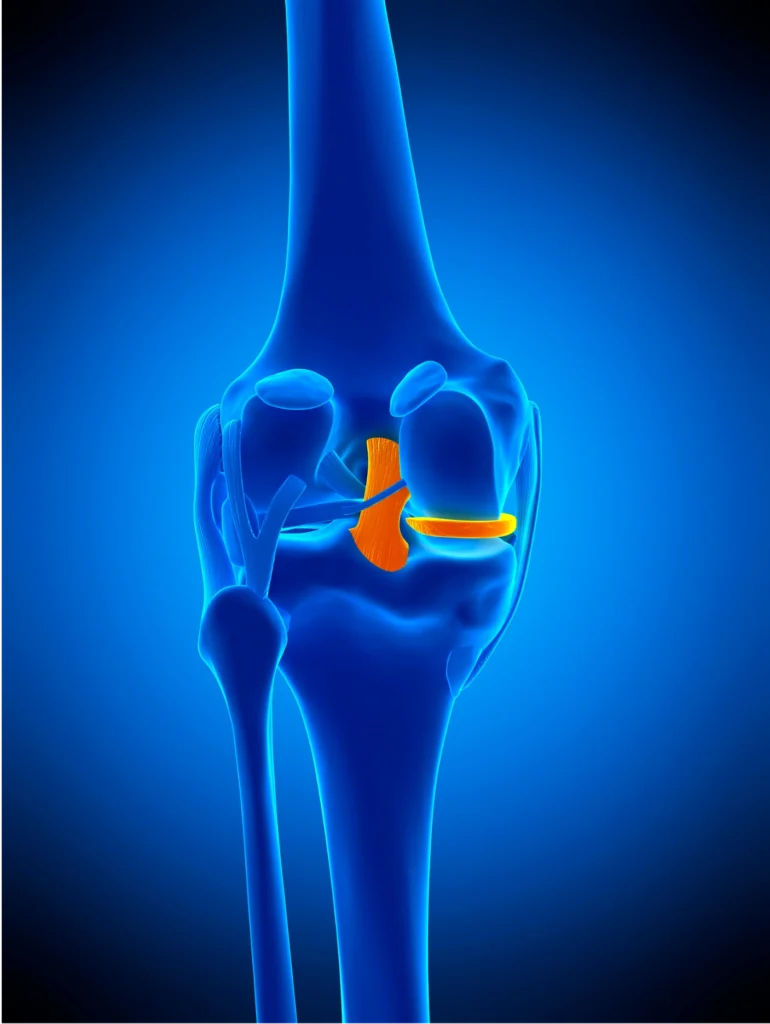
When the PCL and MCL are both damaged, the operation becomes a high-level, intricate procedure.
These multi-ligament knee injuries demand a specialist approach. The surgeon must map out a comprehensive staged approach to address all damaged structures meticulously, ensuring the reconstructed ligaments are placed correctly to restore the knee’s natural biomechanics. This level of surgery often requires longer immobilisation and a more prolonged, intensive rehabilitation schedule to support the healing of multiple repaired or reconstructed tissues simultaneously.
When surgery is deemed necessary, the technique employed is highly specific to the injured ligament and the nature of the tear. Understanding the difference between repair and reconstruction is key to setting recovery expectations.
Because the PCL is deep within the joint and subjected to high posterior loads, surgery to fix it is nearly always a reconstruction.
For the MCL, the surgeon has two main tools:
The surgery is only the halfway point; the success of your knee stability hinges entirely on your commitment to the often long and disciplined rehabilitation phase. Healing ligament tissue needs time and specific loading to become strong.
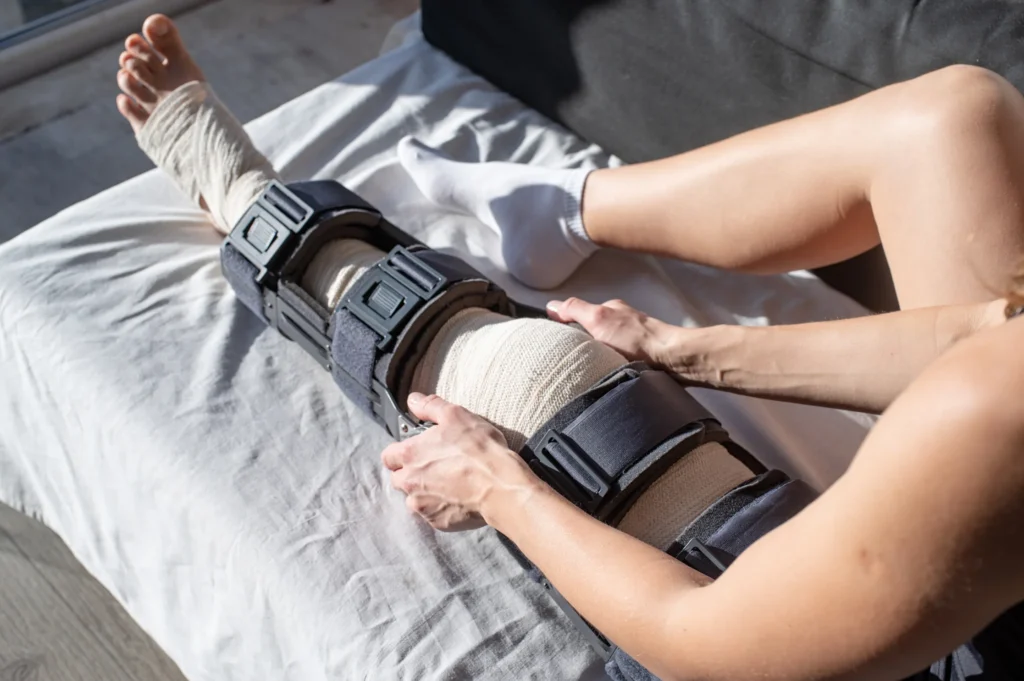
The initial weeks post-surgery (Weeks 0-6) are all about protection. You will be on crutches, and your knee will be in a locked brace to prevent any backward movement that could stretch the healing graft. Weight-bearing status is determined by the surgeon based on the complexity of the repair; it might be restricted initially. Early in this phase, gentle exercises like quadriceps sets and ankle pumps are encouraged immediately to maintain muscle activation and circulation, even while the knee is immobilised. It is paramount to follow your surgeon’s exact instructions regarding the brace and crutch use to avoid graft failure.
After the initial protection phase, typically around the six-week mark, you transition into intensive physiotherapy. This is where the real work begins to restore function.
Understanding the financial aspects of knee ligament surgery helps you plan appropriately and explore available funding options. Singapore’s healthcare system offers multiple pathways to access quality surgical care whilst managing costs effectively.
Getting a diagnosis in the private system involves a few initial costs.
Specialist Consultation
An initial consultation with an orthopaedic specialist typically ranges from $150 to $250.
X-Ray
This is the first-line imaging test and is very affordable, usually costing between $80 and $150.
MRI Scan
If the specialist needs to see the soft tissues in high detail, an MRI may be ordered. This is more expensive, often ranging from $1,000 to $2,000 per joint.
The final bill for knee ligament surgery is derived from several components. A combined MCL and PCL reconstruction, being more intricate than an isolated procedure, will naturally incur higher costs.
Medisave
Medisave can be used to pay for hospitalisation and approved surgical procedures, up to specific withdrawal limits. For example, a complex knee replacement is claimable up to a certain amount from the Table of Surgical Procedures.
MediShield Life
This is a basic health insurance plan that helps pay for large hospital bills and selected costly outpatient treatments.
Integrated Shield Plans (IPs)
If you have an IP from a private insurer, it works on top of MediShield Life. These plans are what cover the bulk of the cost if you choose to be treated in a private hospital or an A/B1 ward in a public hospital. It is essential to check your specific plan for coverage, deductibles, and any co-payment required.
Dr Yong Ren brings extensive expertise to the field of minimally invasive orthopaedic procedures. His background includes specialist training in Switzerland, focusing on complex orthopaedic trauma and reconstruction, underscoring his capability in handling simple to highly complex joint issues.
Choosing us means you benefit from:
Dr Yong Ren’s practice prioritises the least invasive techniques, leading to smaller scars, less post-operative pain, and faster return to function.
We believe in treating the whole patient, not just the injury. This includes a full, multi-modal pathway from non-operative treatments (like physical therapy and injections) to the latest surgical techniques.
We provide clear, locally-relevant guidance on everything from the procedure itself to the intricacies of Medisave claimability and insurance processing in Singapore.
If you have been living with persistent pain, or if you have questions about your orthopaedic condition and wish to explore personalised, advanced treatment options, we encourage you to consult with Dr Yong Ren.
Take the first step toward a pain-free life with a $150 Knee Pain Consultation & X-ray.