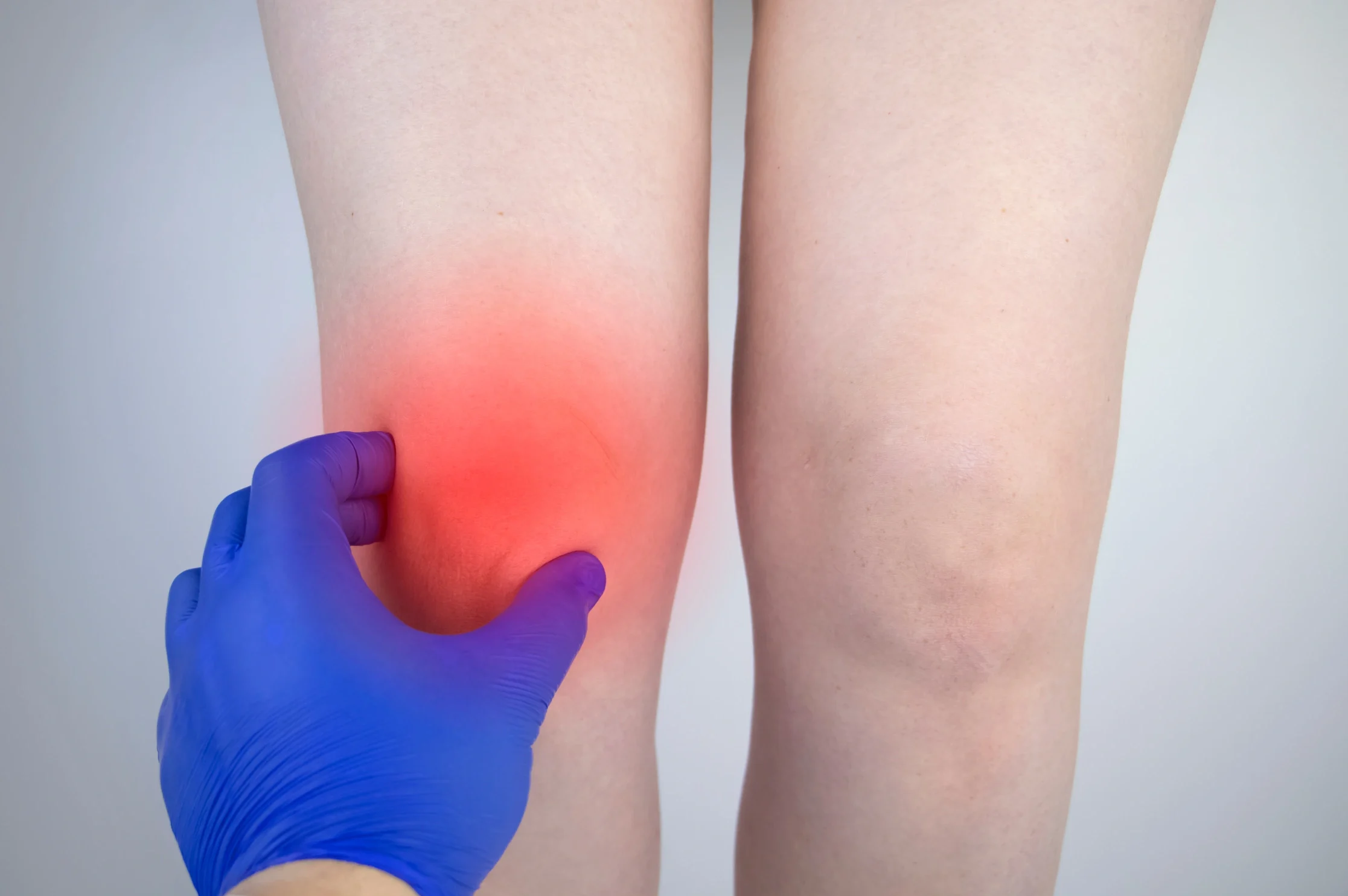
Does your kneecap keep slipping out of place during activities?
You’re experiencing recurrent patellar instability, and Medial Patellofemoral Ligament (MPFL) reconstruction could be a solution to restore knee stability and confidence in movement.
When your kneecap repeatedly dislocates, the underlying cause often lies in a torn MPFL. This specialised surgical procedure reconstructs the damaged ligament, providing long-term stability for patients who haven’t responded to conservative treatments.
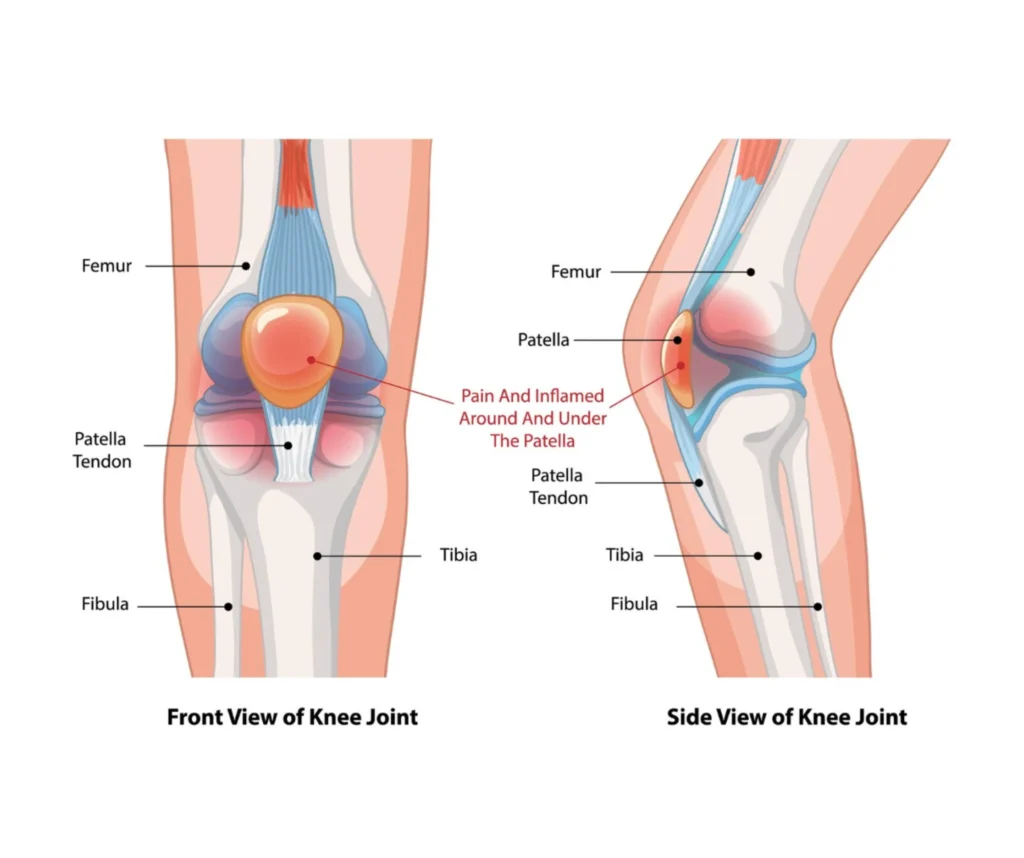
The Medial Patellofemoral Ligament (MPFL) is the primary soft tissue restraint that prevents your kneecap from sliding laterally out of its groove. It acts as a crucial tether, maintaining alignment during movement.
When this ligament tears, usually during a traumatic dislocation, the kneecap loses its main stabiliser. This leads to patellar instability, a recurring problem where the kneecap completely dislocates (luxates) or partially slips (subluxates). Each episode stretches or further damages the MPFL, creating a vicious cycle.
While initial dislocations may heal with rest, physiotherapy, and bracing, the ligament often becomes too compromised to function properly after a second or third episode.
MPFL reconstruction becomes necessary when
The procedure is particularly common among young, active individuals who’ve suffered sports-related injuries. Without surgical intervention, chronic instability can lead to cartilage damage and early-onset arthritis in the patellofemoral joint.
Modern MPFL reconstruction in Singapore utilises arthroscopic techniques that minimise tissue disruption whilst achieving excellent surgical outcomes. Understanding the procedure helps alleviate anxiety and sets realistic expectations for your surgical journey.
MPFL Reconstruction is typically performed as a minimally invasive, day surgery procedure. Dr Yong Ren focuses on precise, anatomical placement of the graft to ensure it functions identically to the original, healthy ligament.
The procedure begins with arthroscopy: a small camera is inserted through a tiny incision to inspect the joint for associated injuries (such as cartilage damage or loose bodies). The reconstruction itself is then performed through small incisions, promoting less tissue disruption, minimal scarring, and faster recovery than traditional, large open surgeries.
The preferred method involves creating the new MPFL using a tendon harvested from the patient’s own body (an autograft), typically the hamstring tendon.
This living tissue is strong, biocompatible, and provides excellent long-term stability. The use of a hamstring tendon graft has a strong track record in orthopaedic surgery, similar to its use in ACL reconstruction.
Precision is everything. The new ligament must be fixed to the kneecap and the femur at the exact points where the original MPFL was attached.
This anatomical fixation prevents the graft from being too tight (which causes pain and stiffness) or too loose (which allows the kneecap to dislocate again). Dr Yong Ren uses advanced imaging during the surgery to locate the precise femoral point, ensuring perfect tensioning to restore natural biomechanics.
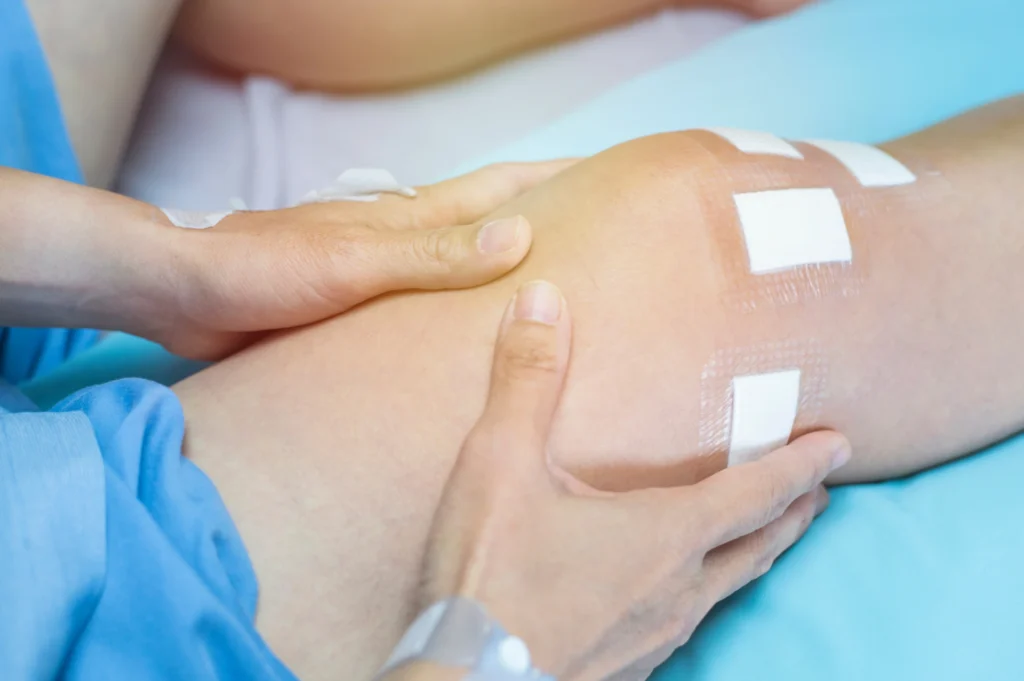
Successful MPFL reconstruction depends as much on diligent rehabilitation as on surgical technique. The recovery journey requires patience, commitment, and close collaboration between you, your surgeon, and physiotherapist.
| Phase | Duration | Focus | Key Milestone |
|---|---|---|---|
|
Immediate Post-Op |
Weeks 0–2 |
Pain/Swelling control, Graft protection. |
Initial wound healing, regaining quad activation. |
|
Early Rehabilitation |
Weeks 2–6 |
Increasing range of motion, partial weight-bearing. |
Weaning off crutches and brace as tolerated. |
|
Advanced Strengthening |
Weeks 6–12 |
Restoring muscle strength, gait normalisation. |
Return to comfortable daily activities and light walking. |
|
Functional & Return to Sport |
Months 3–6+ |
High-level strength, agility, and sport-specific training. |
Clearance to run, jump, and begin return to sports protocol. |
Use of Braces and Crutches: Immediately after the operation, a knee brace is typically used to protect the new graft. Crutches are required initially, but the shift to full weight-bearing often occurs quickly, depending on Dr Yong Ren’s surgical assessment and protocol.
When considering MPFL Reconstruction in Singapore, understanding the financial aspects and selecting a highly qualified orthopaedic surgeon is crucial. We believe in transparent, comprehensive care.
Getting a diagnosis in the private system involves a few initial costs.
Specialist Consultation
An initial consultation with an orthopaedic specialist typically ranges from $150 to $250.
X-Ray
This is the first-line imaging test and is very affordable, usually costing between $80 and $150.
MRI Scan
If the specialist needs to see the soft tissues in high detail, an MRI may be ordered. This is more expensive, often ranging from $1,000 to $2,000 per joint.
MPFL reconstruction surgical costs typically varies, depending on whether other procedures are required.
In private hospitals throughout Singapore, surgeon’s fees typically range from $10,000 Public hospital subsidised rates offer more affordable alternatives, though waiting times may be longer and choice of surgeon limited.
Without subsidies, public hospital costs approach private rates.
Medisave
Medisave can be used to pay for hospitalisation and approved surgical procedures, up to specific withdrawal limits. For example, a complex knee replacement is claimable up to a certain amount from the Table of Surgical Procedures.
MediShield Life
This is a basic health insurance plan that helps pay for large hospital bills and selected costly outpatient treatments.
Integrated Shield Plans (IPs)
If you have an IP from a private insurer, it works on top of MediShield Life. These plans are what cover the bulk of the cost if you choose to be treated in a private hospital or an A/B1 ward in a public hospital. It is essential to check your specific plan for coverage, deductibles, and any co-payment required.
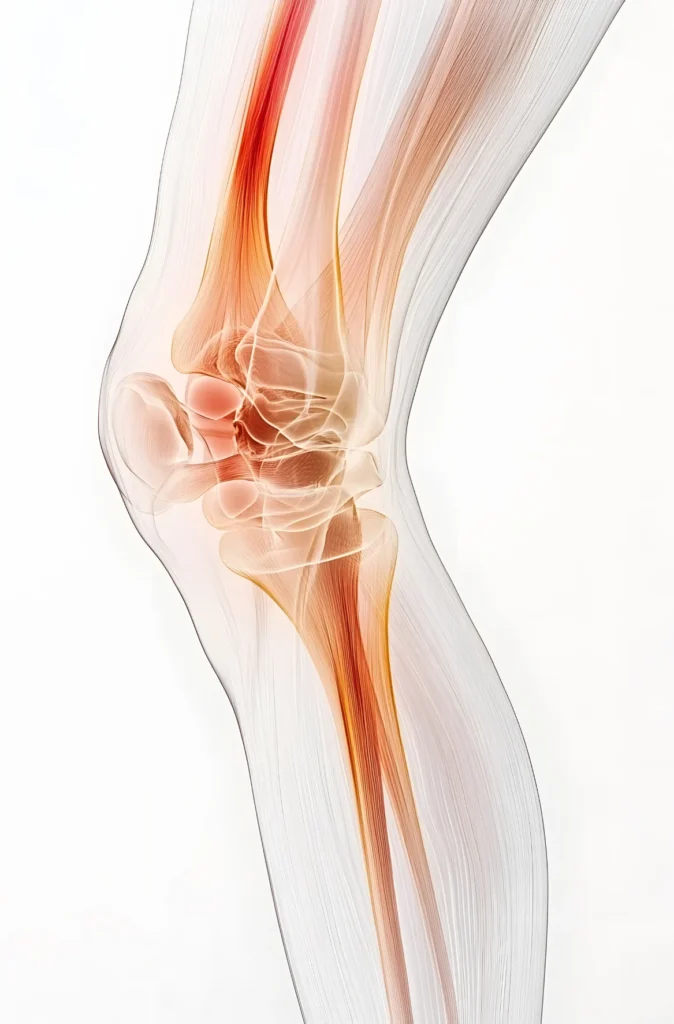
It is classified as a major procedure requiring general anaesthesia to ensure patient comfort and safety. However, the procedure is commonly performed using minimally invasive, arthroscopic techniques, often allowing for a short hospital stay or even a day surgery procedure, reflecting modern advances that minimise physical trauma.
Full recovery from MPFL surgery and a complete return to sports typically take 6 to 12 months. The initial recovery, where the patient is walking without crutches, is often achieved within 4 to 6 weeks. A disciplined structured rehabilitation program is the most crucial determinant of a smooth and timely return to activity.
While the success rate in preventing recurrent dislocation is high (over 90%), potential disadvantages or risks include joint stiffness (which can be mitigated with intensive physiotherapy), residual knee pain, a small risk of infection, and, rarely, recurrence of dislocation.
In very mild sprains, conservative management is attempted. However, in the case of a complete tear or if you have suffered recurrent dislocations, the ligament has proven incapable of providing adequate stability. In these instances, MPFL Reconstruction is required to physically rebuild the restraint and restore long-term function and stability.
Fixation methods use a mix of materials, so the answer depends on the specific device:
Dr. Yong Ren will discuss the appropriate type of implant for your specific anatomy during your consultation.
The Anatomical Double-Bundle Technique is an advanced method Dr. Yong Ren may employ to achieve maximum stability and closely replicate the knee’s natural mechanics.
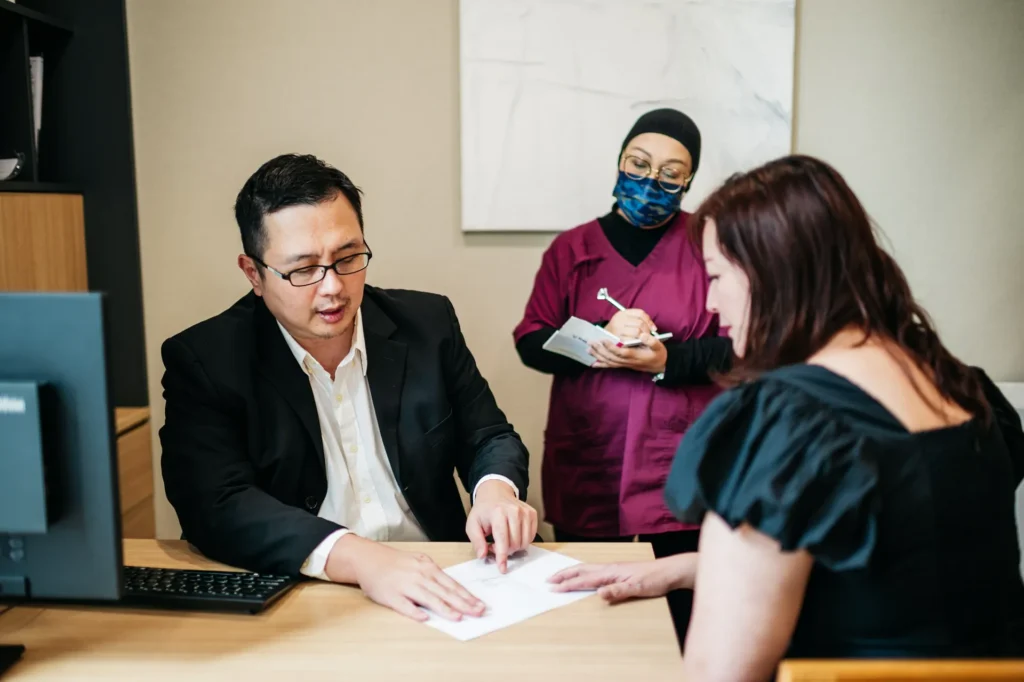
Dr Yong Ren brings extensive expertise to the field of minimally invasive orthopaedic procedures. His background includes specialist training in Switzerland, focusing on complex orthopaedic trauma and reconstruction, underscoring his capability in handling simple to highly complex joint issues.
Choosing us means you benefit from:
Dr Yong Ren’s practice prioritises the least invasive techniques, leading to smaller scars, less post-operative pain, and faster return to function.
We believe in treating the whole patient, not just the injury. This includes a full, multi-modal pathway from non-operative treatments (like physical therapy and injections) to the latest surgical techniques.
We provide clear, locally-relevant guidance on everything from the procedure itself to the intricacies of Medisave claimability and insurance processing in Singapore.
If you have been living with persistent pain, or if you have questions about your orthopaedic condition and wish to explore personalised, advanced treatment options, we encourage you to consult with Dr Yong Ren.
Take the first step toward a pain-free life with a $150 Knee Pain Consultation & X-ray.