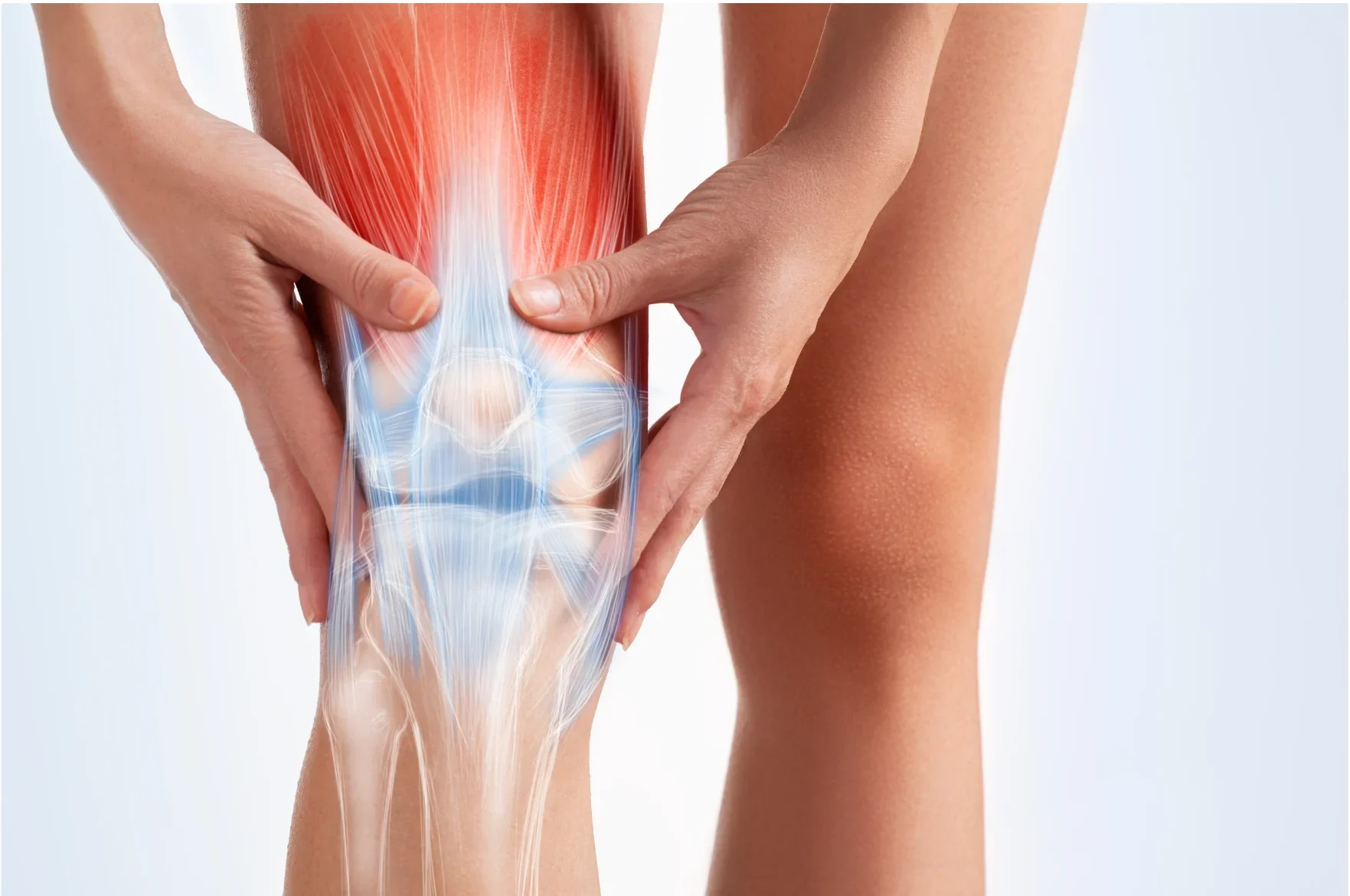
That sudden pop during your pickleball game wasn’t just a sound—it might be your ACL tearing. If you’ve felt your knee give way or experienced intense swelling after a sports injury, understanding ACL reconstruction surgery causes, treatment options, and cost in Singapore becomes essential for your recovery journey.
An ACL tear involves damage to the anterior cruciate ligament, a crucial band of tissue that keeps the knee stable. It is a common injury among active people in Singapore, typically occurring during sudden stops, twists, or awkward landings on the sports field.
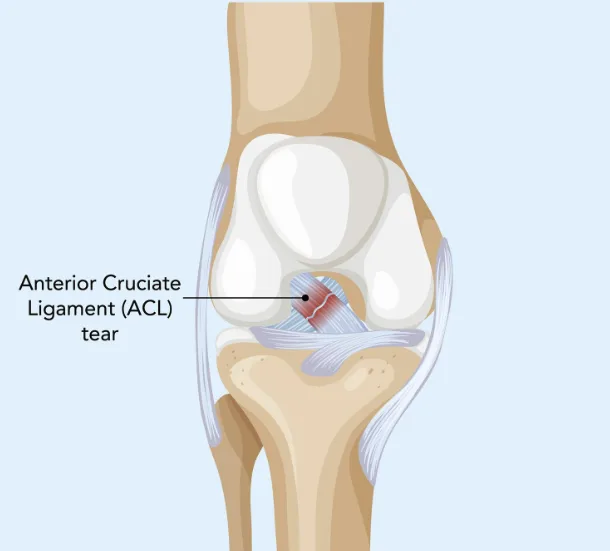
Think of your knee joint as a complex hinge, held together by four main ligaments, which are strong bands of tissue that connect bone to bone. The ACL runs diagonally through the middle of your knee. It is essential for two reasons:
Without a functional ACL, the knee joint becomes unstable, leading to a “wobbly” or “giving way” sensation, especially during pivoting or cutting movements.
In Singapore’s sports landscape, certain activities carry higher ACL injury risks:
When an ACL tear occurs, the signs are often immediate and distinct. While only a clinical examination and an MRI scan can confirm the diagnosis, here are the most common symptoms to watch for:
If you experience these symptoms, it is vital to seek a prompt evaluation from an orthopaedic specialist.
Not every ACL tear requires surgical intervention. Your age, activity level, and lifestyle goals determine the best treatment path. Let’s examine when conservative management works and when surgery becomes necessary.
Here’s the truth: ACL tears don’t heal on their own. Unlike other ligaments with good blood supply, the ACL sits inside the joint capsule where minimal blood reaches it. This means the torn ends cannot regenerate or reconnect naturally. However, not healing doesn’t always mean you need surgery. Some individuals function adequately with a torn ACL, particularly if they’re willing to modify activities and avoid pivoting sports.
For some individuals, a non-surgical approach is a reasonable treatment option. This path is often considered for:
The focus of this approach is physiotherapy. The goal is to strengthen the muscles surrounding the knee (particularly the hamstrings and quadriceps) so they can work to stabilise the joint and compensate for the missing ligament.
Surgical reconstruction is typically recommended when instability is a problem. This is the preferred treatment option for the majority of active patients who want to return to a high level of function. This includes:
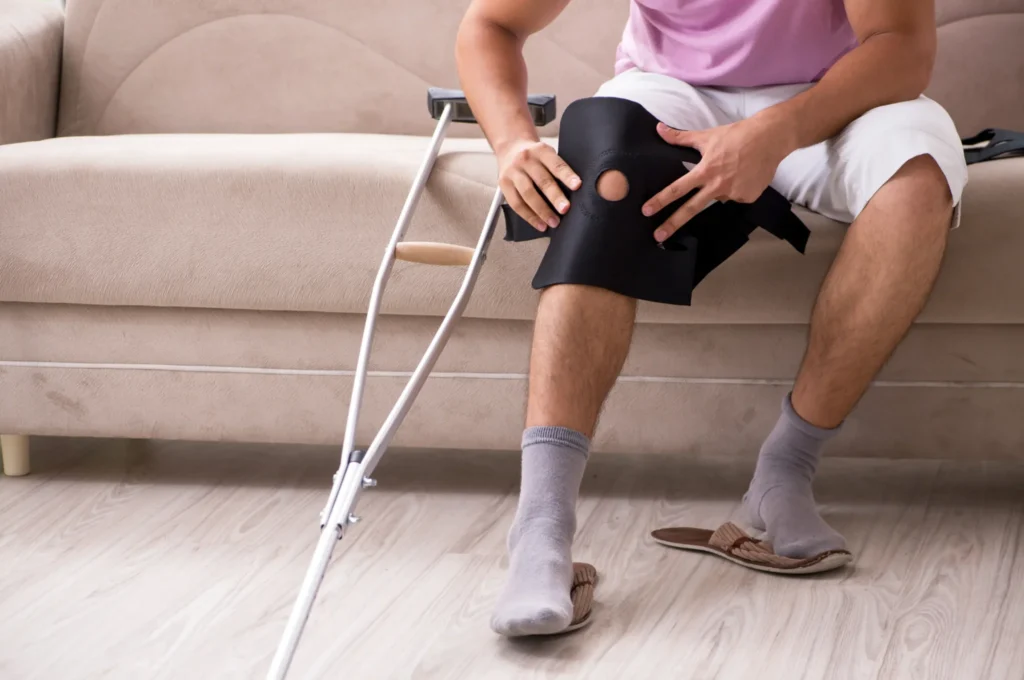
ACL reconstruction is generally considered a major operation that replaces the torn ligament with a tissue graft, a procedure often performed using minimally invasive techniques to promote joint stability and function. The choice of graft material and the surgical approach will determine what you might expect during the procedure itself.
Your surgeon must choose graft tissue to reconstruct the torn ACL. Two main options exist:
Autograft (Your Own Tissue)
Allograft (Donor Tissue)
Hamstring autografts are typically preferred for primary ACL reconstructions. The tissue integrates well, and hamstring weakness rarely affects daily function.
While it’s certainly not a minor procedure, ACL reconstruction generally falls into the “intermediate” surgery category. It’s far less invasive than, say, a full joint replacement or spinal surgery. Surgeons primarily perform it arthroscopically (keyhole surgery) using just small incisions. This means you tend to have minimal scarring and a much quicker immediate recovery compared to older, open procedures. Most private hospitals treat it as a day procedure—you’ll typically receive either general or spinal anaesthesia and should be able to go home the very same day.
It’s natural to be concerned about pain, and yes, you will experience some discomfort following the procedure, but it’s actively and effectively managed. Often, a nerve block is given during the surgery, which provides excellent relief for the first 12 to 24 hours. Once the block starts to wear off, you will switch to oral painkillers to keep the discomfort under control. The key focus in those initial 48 hours is strictly following the R.I.C.E. principle: Rest, Ice, Compression, and Elevation to help minimise swelling and manage the pain.
Honestly, the idea of strict “bed rest” is a bit of a myth now. It is, thankfully, very short. Your physiotherapist is highly likely to have you up and moving with the help of crutches on the same day or the day immediately following your surgery. You will be encouraged to put partial weight on the leg as much as you can tolerate. The initial goals are clear:
Most individuals find they can safely resume driving somewhere between 4 to 6 weeks after the operation, but this really varies. There are a few non-negotiable checks to tick off first:
Crucially, you need to be able to slam on the brake in an emergency without any hesitation or pain before it is considered safe.
A Note on Legs: If your surgery was on the right leg (your primary driving leg in Singapore), you will almost certainly face a longer wait than if the procedure was on your left leg.
This is often the longest waiting game! While you may be cleared to start light jogging and straight-line running around 3 to 4 months post-op, the return to pivoting sports—like football, basketball, or skiing—is a much later milestone. This typically happens between 9 and 12 months post-surgery.
It’s important to realise this isn’t just a date on the calendar; it’s a goal that must be earned. You will need to successfully pass a series of strength, agility, and functional tests first. This thorough approach ensures your knee is stable and strong enough to handle the stresses of your sport, which significantly minimises the risk of a re-tear.
If your knee is feeling unstable and prone to giving way, and surgery has been recommended, delaying the procedure may have unfortunate consequences. Every time your knee buckles or gives way, the bones can shift abnormally, putting other critical structures inside your knee at risk. This recurrent instability appears to cause progressive damage to both the articular cartilage (the joint’s smooth lining) and the menisci (the knee’s shock absorbers). Regrettably, this secondary damage can be irreversible and is likely to lead to the early onset of osteoarthritis in the knee.
Dr Yong Ren brings extensive expertise to the field of minimally invasive orthopaedic procedures. His background includes specialist training in Switzerland, focusing on complex orthopaedic trauma and reconstruction, underscoring his capability in handling simple to highly complex joint issues.
Choosing us means you benefit from:
Dr Yong Ren’s practice prioritises the least invasive techniques, leading to smaller scars, less post-operative pain, and faster return to function.
We believe in treating the whole patient, not just the injury. This includes a full, multi-modal pathway from non-operative treatments (like physical therapy and injections) to the latest surgical techniques.
We provide clear, locally-relevant guidance on everything from the procedure itself to the intricacies of Medisave claimability and insurance processing in Singapore.
If you have been living with persistent pain, or if you have questions about your orthopaedic condition and wish to explore personalised, advanced treatment options, we encourage you to consult with Dr Yong Ren.
Take the first step toward a pain-free life with a $150 Knee Pain Consultation & X-ray.