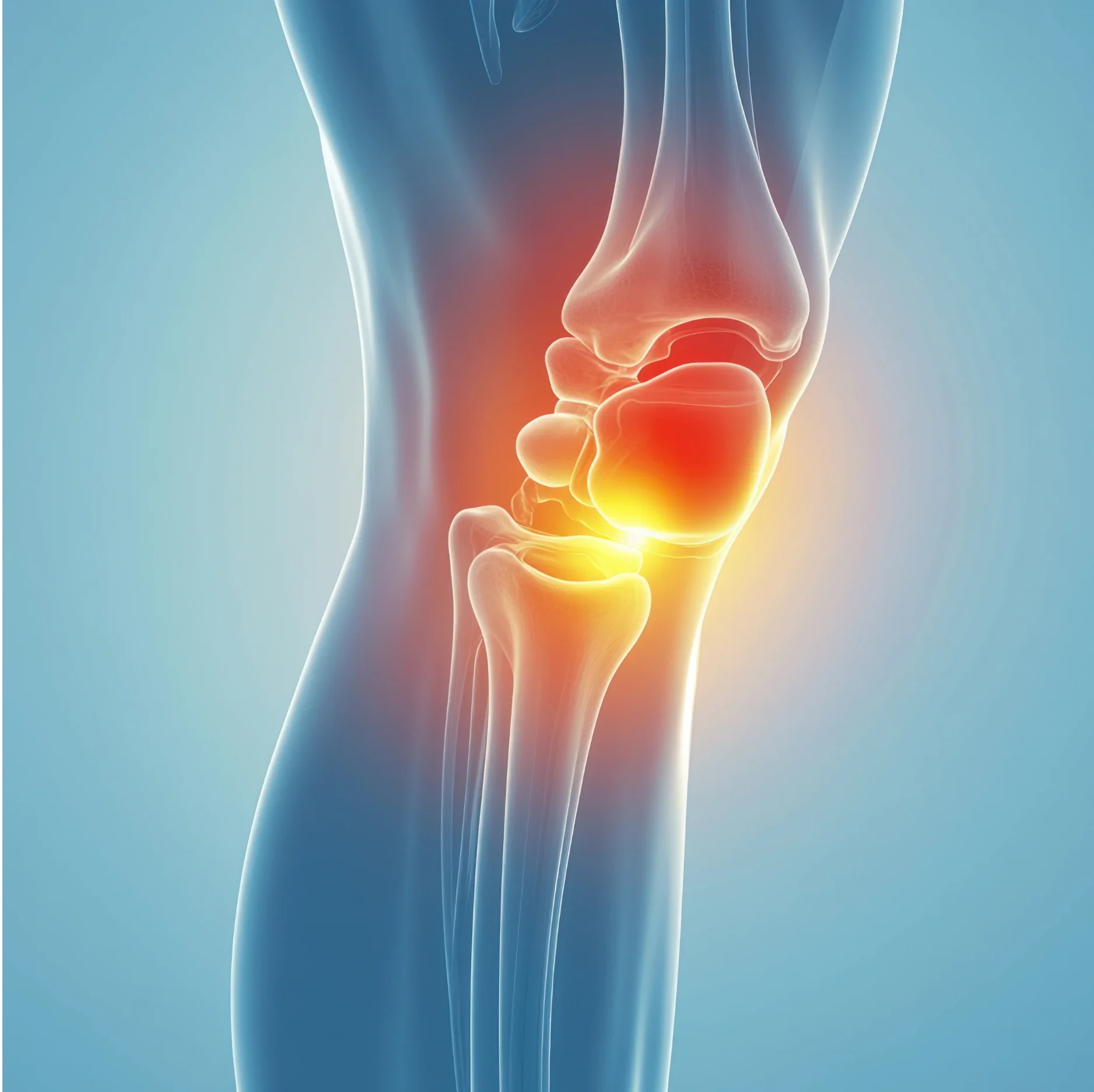
A sudden, sharp pain just below your kneecap can stop an active life in its tracks. You’re not just dealing with a ‘sore knee’; you could be facing a condition known as Patellar Tendinopathy, or more commonly, Jumper’s Knee.
The patellar tendon plays a crucial role in every step you take, every squat you perform, and every jump you make. Recognising the difference between acute inflammation and chronic degeneration is essential for proper treatment and recovery.
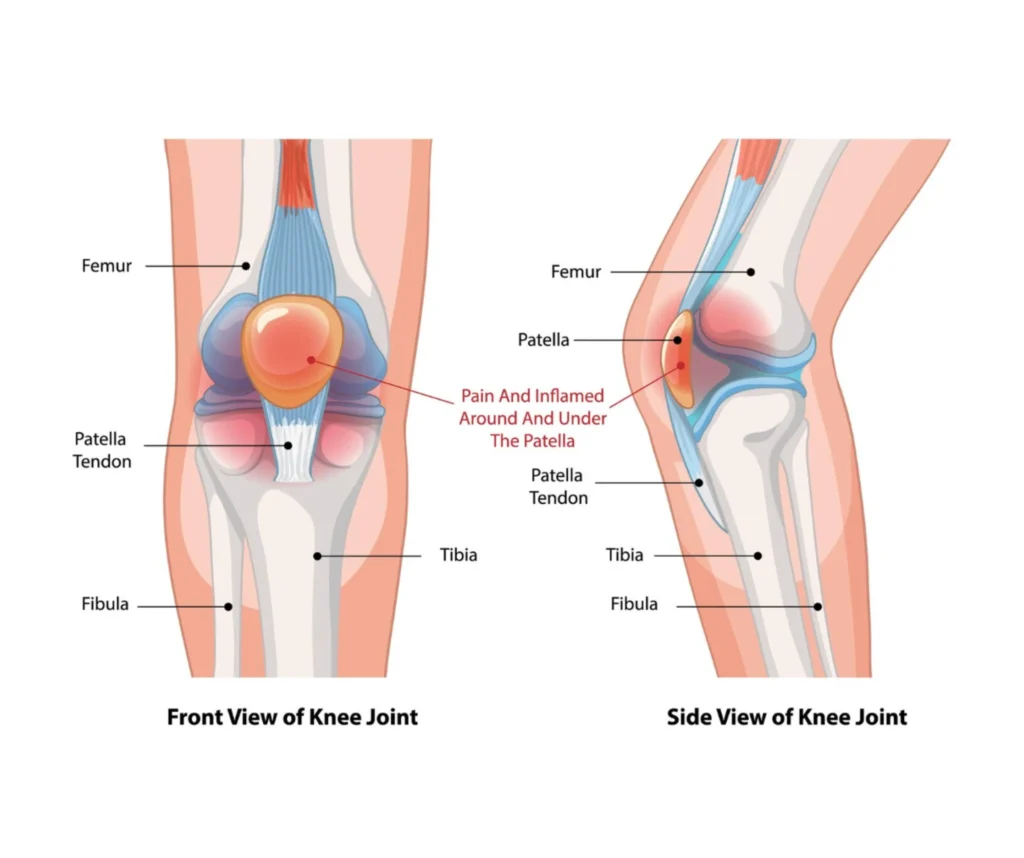
The patellar tendon is a powerful, thick band of tissue at the front of your knee. Its crucial role is to transmit the immense force generated by your large thigh muscle, the quadriceps, to your shinbone (tibia).
It connects the bottom of your kneecap (patella) to the front of your shinbone. When you kick a ball, jump, run, or climb the stairs, this tendon works as a central pulley, ensuring your leg can straighten (extend) with speed and power. High-impact or repetitive movements place incredible stress on this structure, which can eventually lead to injury.
Many people, and even some older resources, use the term Patellar Tendinitis (implying inflammation), but this is often medically inaccurate for chronic cases.
This distinction is important because chronic patellar tendinopathy requires a different approach. Treatment must focus on tendon remodelling and strengthening (eccentric exercises), not just reducing inflammation with ice and anti-inflammatory medication.
Jumper’s Knee is the popular, non-medical name for patellar tendinopathy, due to its high prevalence in sports that involve repeated, forceful jumping. It manifests as pain right on the patellar tendon, typically at its attachment to the lower pole of the patella.
Individuals at the highest risk include:
When treating patellar tendon pain, Dr Yong Ren takes a holistic approach, always looking beyond the immediate symptom to identify the underlying mechanical and lifestyle factors. Understanding the root cause is essential for creating a successful, long-lasting recovery plan.
The most frequent cause of patellar tendinopathy is an excessive and sudden increase in the strain placed on the tendon. Tendons adapt slowly, and when the physical demand exceeds the tendon’s capacity for repair, the tissue begins to break down.
Key training errors include:
The knee is part of a complex chain connecting the hip and the foot. Problems in the links above or below the knee can cause excessive and abnormal strain on the patellar tendon. These biomechanical issues can be a major contributing factor in chronic cases.
Muscular or alignment issues that increase tendon strain include:
While less common than mechanical overload, certain health conditions can compromise the quality and healing capacity of tendons, making them more vulnerable to tendinopathy even under normal loads.
These systemic factors include:
If you suspect you have Jumper’s Knee, obtaining an accurate diagnosis from an orthopaedic specialist is the only way to avoid complications and ensure your treatment is correctly targeted. Dr Yong Ren stresses that a thorough clinical examination, coupled with precise imaging, is the foundation of effective management.
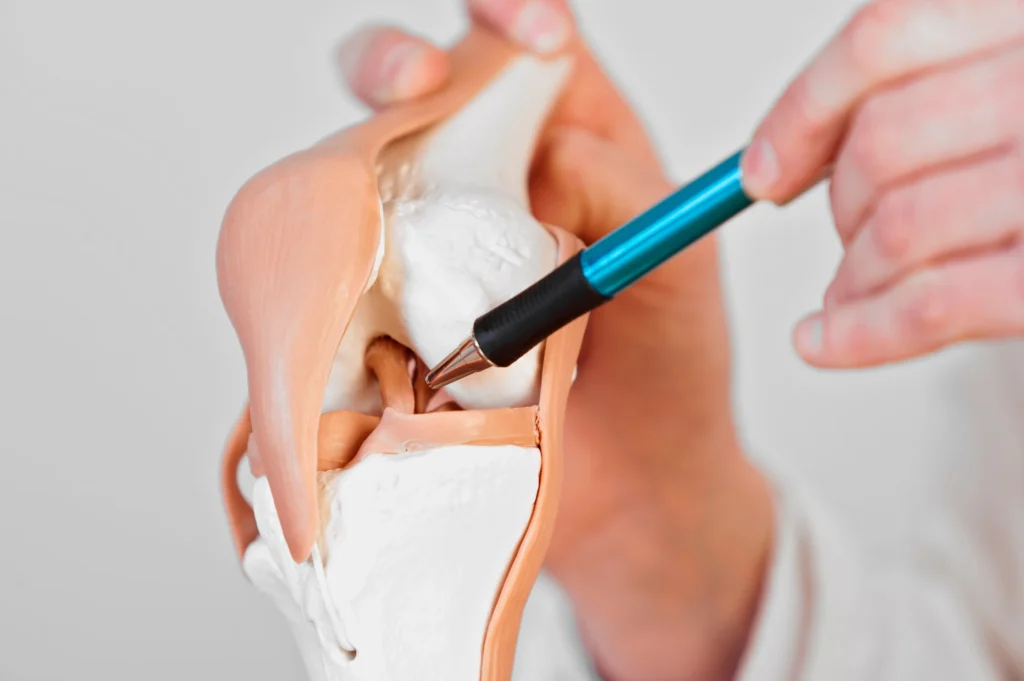
The severity of patellar tendinopathy is often classified into four stages, providing a useful framework for both diagnosis and treatment planning:
| Stage | Description of Pain | Impact on Activity | Typical Management |
|---|---|---|---|
|
1 |
Pain only after activity. |
Able to participate in full sport/workload. |
Conservative (R.I.C.E., Activity Modification). |
|
2 |
Pain during activity, but still able to perform at desired level. |
Pain may be present at the start, disappears with warm-up, and returns afterwards. |
Physiotherapy-led Eccentric Loading. |
|
3 |
Pain during activity that severely limits and restricts performance. |
Inability to maintain desired load or intensity. Specialist consult strongly advised. |
Advanced Non-Surgical (Shockwave, PRP) or Surgery. |
|
4 |
Complete loss of tendon integrity. |
Inability to extend the knee or bear weight (requires urgent orthopaedic attention). |
Surgical Repair. |
While a physical examination can highly suggest the diagnosis, imaging tests are crucial to confirm the extent of tendon damage and rule out other potential causes of knee pain.
Imaging tools utilised in a specialist Singapore orthopaedic clinic include:
If you’ve experienced knee pain that persists for more than a few weeks, despite modifying your activity, it’s time to seek expert help.
Dr Yong Ren urges you to schedule an immediate consultation if you experience any of the following:
Early intervention prevents a Stage 1 or 2 issue from progressing to a chronic, Stage 3 problem that requires more intensive treatment.
For the vast majority of patients, patellar tendon issues are successfully resolved through a tailored, structured non-surgical treatment plan. Dr Yong Ren prioritises leveraging advanced non-operative techniques to stimulate the body’s natural healing processes and restore tendon strength.
While rest and ice offer initial relief, structured physical therapy is the cornerstone of long-term recovery for tendinopathy.
For chronic patellar tendinopathy cases (Stage 2 or 3) that have failed to respond to 3 months of dedicated physiotherapy, Dr Yong Ren offers advanced options to accelerate the healing process by directly targeting the degenerative tissue.
| Advanced Therapy | Mechanism of Action | Typical Application |
|---|---|---|
|
Platelet-Rich Plasma (PRP) Injections |
Your own blood is spun to concentrate platelets, which are rich in growth factors. This is then injected, under ultrasound guidance, directly into the damaged area to promote tissue regeneration and new blood vessel formation. |
Chronic tendinopathy unresponsive to physiotherapy. |
|
Extracorporeal Shockwave Therapy (ESWT) |
A non-invasive device delivers controlled, high-energy acoustic waves to the injured tendon site. This process breaks down unhealthy, calcified, or scarred tissue and stimulates a new, accelerated healing response. |
Chronic mid-substance tendinopathy. |
Supportive aids and medication have a specific, temporary role in managing symptoms:
While most patellar tendon issues are resolved without surgery, a small percentage of cases, particularly complete ruptures or recalcitrant chronic pain, will require surgical expertise. When surgery is necessary, Dr Yong Ren employs modern techniques to ensure the best functional outcome.
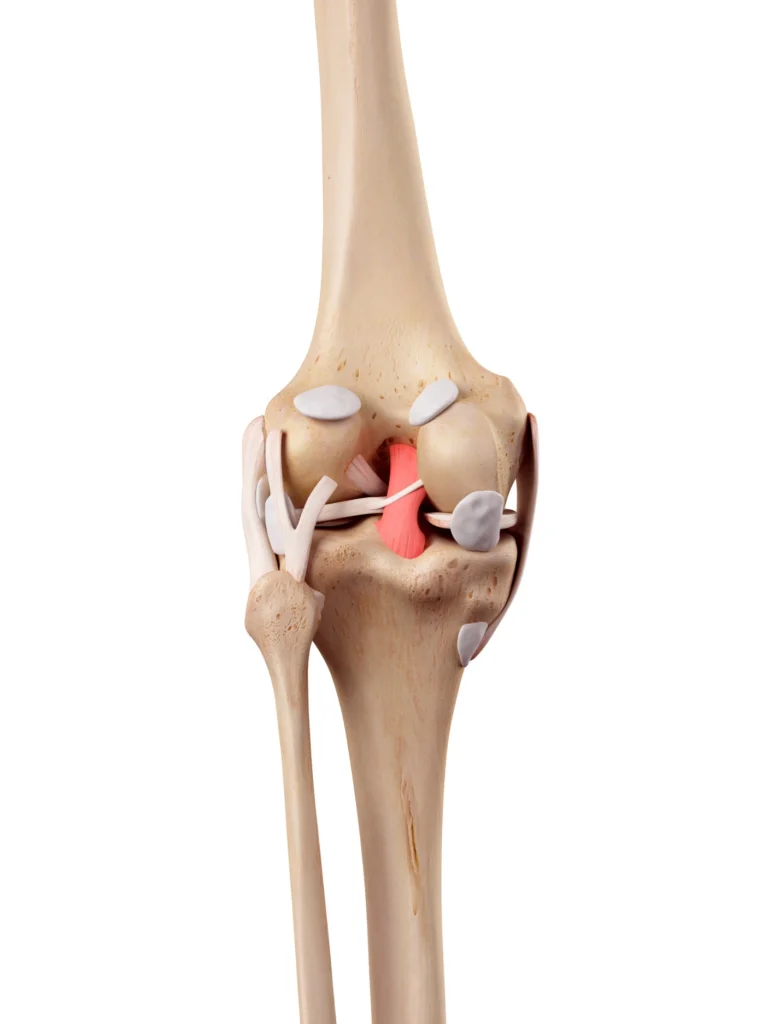
Surgery for the patellar tendon is typically reserved for two key scenarios:
The specific surgical technique used by the orthopaedic surgeon will depend on the nature of the injury:
Recovery is a serious commitment and requires dedicated post-operative care, including intensive physiotherapy. Patients need an honest and realistic expectation of the recovery process:
In Singapore, you have the option of pursuing care in public (subsidised) or private settings. The main trade-offs are cost and speed of access:
| Advanced Therapy | Mechanism of Action | Typical Application |
|---|---|---|
|
Specialist Access |
Direct access to your chosen orthopaedic surgeon (Dr Yong Ren). |
Access dependent on polyclinic referral and specialist availability. |
|
Appointment Speed |
Generally much faster; specialist review and diagnostics often done within 1-2 weeks. |
Longer waiting times for non-emergency specialist appointments. |
|
Cost |
Higher upfront fees; often claimable via private insurance or Medisave (subject to limits). |
Lower cost after subsidies, but waiting times can prolong symptoms. |
|
Procedure Scheduling |
Expedited as we own our own hybrid OT can schedule certain procedures within the week |
Longer waiting list for elective surgeries. |
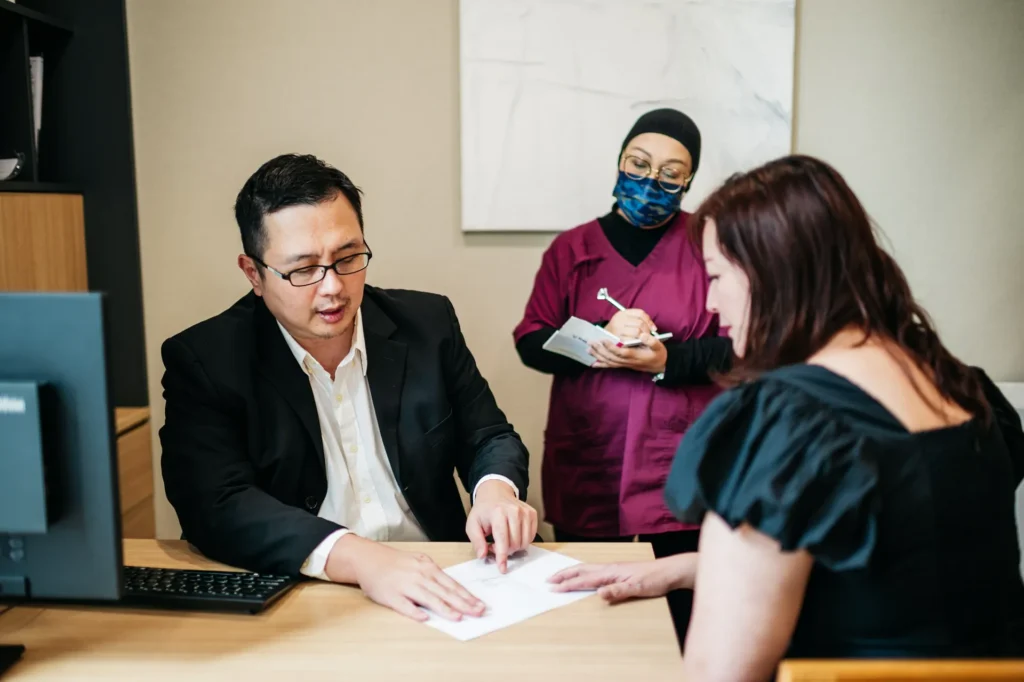
Dr Yong Ren brings extensive expertise to the field of minimally invasive orthopaedic procedures. His background includes specialist training in Switzerland, focusing on complex orthopaedic trauma and reconstruction, underscoring his capability in handling simple to highly complex joint issues.
Choosing us means you benefit from:
Dr Yong Ren’s practice prioritises the least invasive techniques, leading to smaller scars, less post-operative pain, and faster return to function.
We believe in treating the whole patient, not just the injury. This includes a full, multi-modal pathway from non-operative treatments (like physical therapy and injections) to the latest surgical techniques.
We provide clear, locally-relevant guidance on everything from the procedure itself to the intricacies of Medisave claimability and insurance processing in Singapore.
If you have been living with persistent pain, or if you have questions about your orthopaedic condition and wish to explore personalised, advanced treatment options, we encourage you to consult with Dr Yong Ren.
Take the first step toward a pain-free life with a $150 Knee Pain Consultation & X-ray.