TREATMENT OPTIONS

Your Guide to Partial Knee Replacement Surgery in Singapore

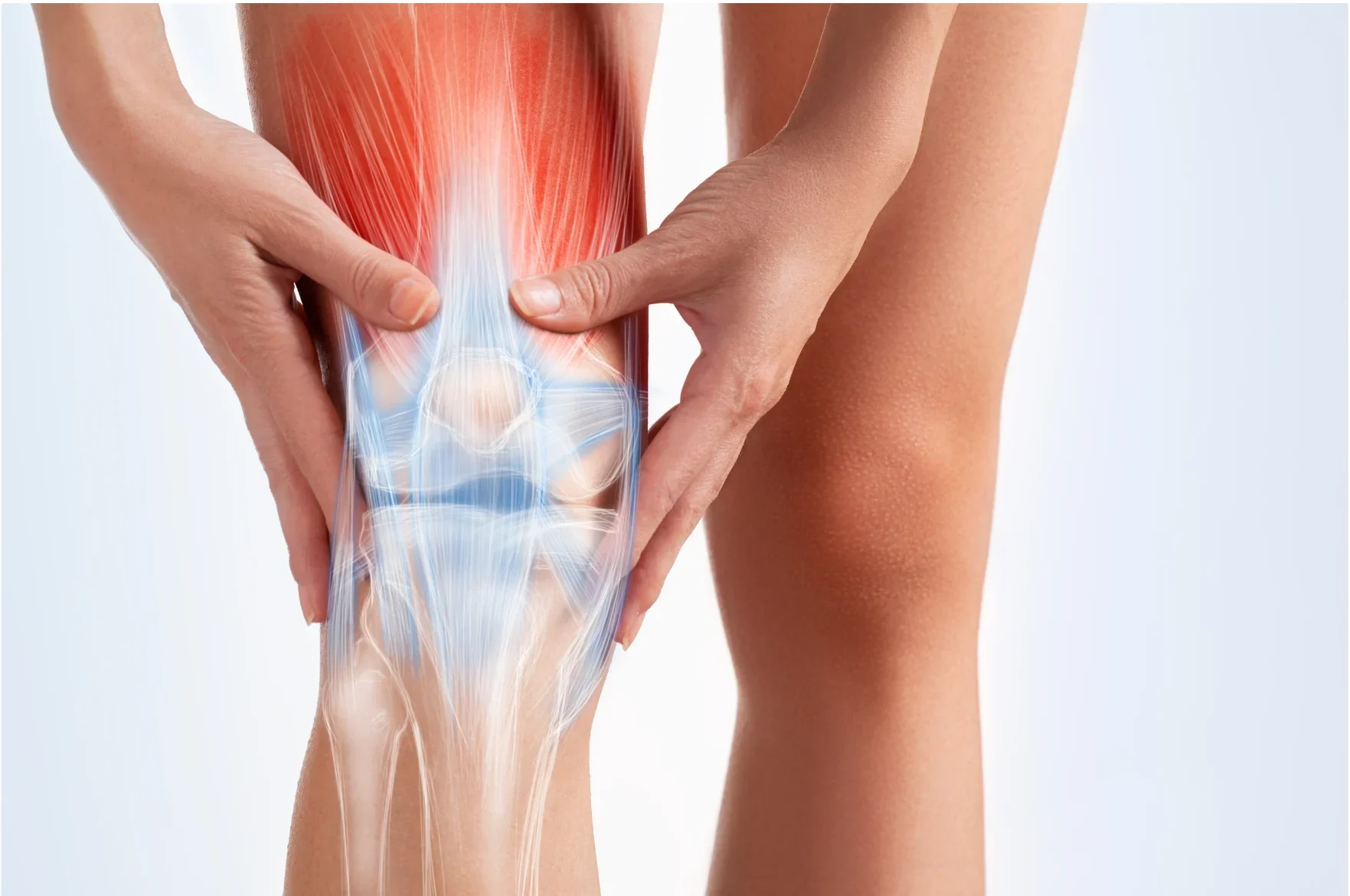
If osteoarthritis has damaged only part of your knee, you may not need a full knee replacement. Partial knee replacement surgery (also called unicompartmental knee arthroplasty)offers a targeted solution that preserves healthy tissue whilst addressing the damaged compartment.

What Is A Partial Knee Replacement ?

Partial knee replacement surgery is an innovative, bone-sparing procedure for individuals with isolated knee arthritis. It involves replacing only the damaged compartment of the knee with an artificial implant, preserving the remaining healthy cartilage, bone, and ligaments.
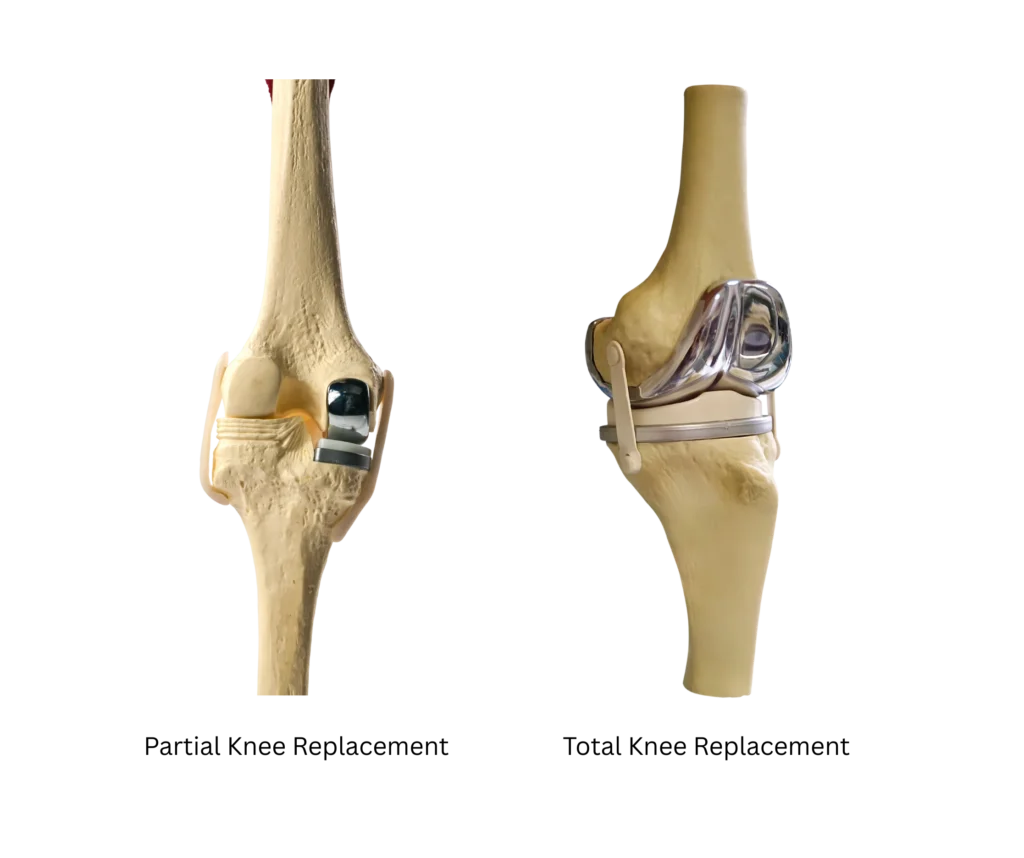
The distinction between these two procedures matters enormously for your recovery and long-term satisfaction:

Partial Knee Replacement:

  • Replaces only the damaged compartment (medial, lateral, or patellofemoral)

  • Smaller incision (typically 7-10 cm)

  • Preserves healthy bone and ligaments

  • More natural knee feel and range of motion

  • Shorter hospital stay (1-2 days typically)

  • Faster return to daily activities (6-12 weeks)

  • Less blood loss during surgery

Total Knee Replacement:

  • Replaces all three compartments of the knee joint

  • Larger incision (15-20 cm)

  • Removes or releases all ligaments except the posterior cruciate ligament (in some designs)

  • May feel less natural initially

  • Longer hospital stay (2-4 days typically)

  • Extended recovery period (3-6 months)

  • Suitable for widespread arthritis

The decision to proceed with a Partial Knee Replacement (PKR) typically depends on one key anatomical factor: osteoarthritis confined to a single area of the knee.

Here’s a breakdown of the indications:

  • Core Condition: The primary requirement is unicompartmental disease meaning the arthritis damage is strictly isolated to one of the knee’s three main zones.
    • The knee includes the medial (inner), lateral (outer), and patellofemoral (behind the kneecap) compartments.
  • Common Causes of Isolated Damage: This selective wear often arises from:
    • Age-related decline that disproportionately affects one side of the joint.
    • Post-traumatic arthritis which is lasting damage following an older injury.
    • Previous surgery such as an old meniscectomy that left a compartment unprotected.
    • Avascular necrosis or localised bone death due to interrupted blood supply.
  • Hallmark Symptom: Patients typically report a sharp, localised “bone-on-bone” pain strictly on the inner or outer side of the knee.
  • Pain Characteristics: This specific ache usually intensifies when climbing stairs, standing for prolonged periods, or walking.
  • Treatment Failure: The pain is generally not relieved adequately by conventional treatments like physiotherapy or joint injections.


This highly specific pain pattern may suggest that PKR, rather than a full replacement, is the appropriate surgical path forward.

It is less about your age and more about your knee’s specific condition. While many candidates are over 50, we have seen this procedure work wonderfully for younger patients with localised damage and older patients (even in their 70s) who are active.

You may be an ideal candidate for a partial knee replacement if:

  • You have “bone-on-bone” pain that is clearly confined to one side of your knee.
  • Your pain is not widespread or inflammatory (like Rheumatoid Arthritis).
  • You still have a good range of motion in your knee.
  • Your anterior cruciate ligament (ACL) is intact and your knee is stable.
  • You are typically of a slimmer build, as this reduces load on the implant.

A detailed examination and X-rays are needed to confirm your candidacy.

The Recovery and Rehabilitation Timeline: What to Expect After Partial Knee Replacement (PKR)

The surgery is only the beginning; the long-term success of your PKR hinges entirely on your commitment to the rehabilitation phase. A disciplined approach ensures proper integration of the implant and maximises the preservation of your natural knee components.

By far, the most common reason for total knee replacement surgery is severe osteoarthritis (OA). This is often called “wear-and-tear” arthritis. Over a lifetime, the protective articular cartilage that cushions your knee joint gradually breaks down. As this cartilage thins, the bones begin to rub against each other, causing friction. The body may try to compensate by creating bone spurs, which can worsen pain and stiffness. This bone-on-bone contact is the source of the deep, aching pain and loss of motion typical of advanced OA.

The initial weeks post-surgery (Weeks 0–6) focus on pain management and early function to capitalise on the less invasive nature of the PKR procedure.

  • Hospital Stay & Early Mobilisation (Days 1–3): Expect a short stay of 1 to 3 days. You will be encouraged to stand and walk, with support, on the same day or the morning after surgery to boost circulation and recovery speed.
  • Pain & Swelling Management: The first few days are the most intense. Pain is managed using a multi-modal approach. Regular icing and elevation of the leg are crucial for controlling swelling.
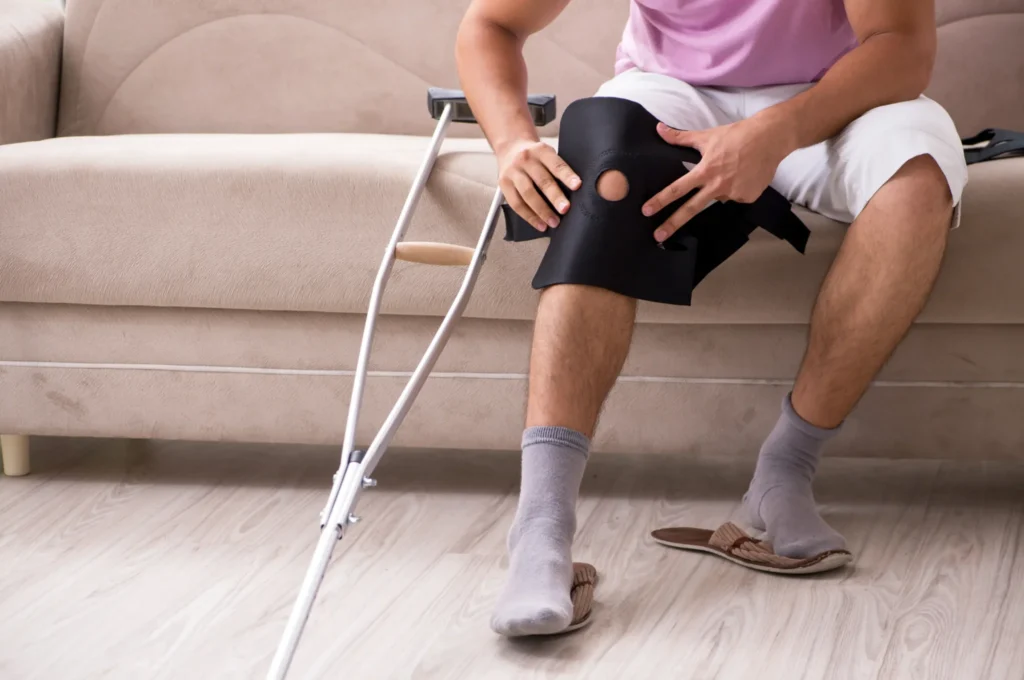
  • Walking Aids: You will use a walker or crutches initially. Weight-bearing is typically immediate or within the first few days.
  • Early Exercises: Gentle exercises are encouraged immediately to maintain muscle activation and range of motion (ROM). It is paramount to follow your surgeon’s exact instructions regarding weight-bearing and early movement limits.

After the immediate post-operative period, typically around the two-week mark, you transition into intensive physiotherapy focused on regaining strength and function.

Phase Timeline Primary Focus and Activities
Early Recovery Phase
Weeks 2–6
Focus shifts from managing pain to regaining functional independence. Patients transition from crutches to a cane or walking unaided. Range of motion (ROM) exercises increase.
Intermediate Phase
Months 2–3
Intensive strength training for the major leg muscles begins. Low-impact activities like stationary cycling and swimming are introduced. Many patients can safely resume driving during this phase.
Return to Activity Phase
Months 3–6
The goal is to feel “back to normal” and return to most low-impact recreational activities (e.g., golf, doubles tennis, brisk walking). Functional exercises are refined to improve balance and endurance.
Long-Term Outlook
6–12+ Months
Achieving maximum functional strength and confidence. Success relies on continuing low-impact physical activity to maintain muscle strength and joint health. The implant is designed to last 15 to 20+ years.
  • Benefits (Pros)
    • Quicker Recovery: Less invasive nature leads to a significantly faster recovery timeline.
    • Less Post-Operative Pain: Generally experienced due to the smaller incision and less tissue disruption.
    • Preservation of Natural Joint: PKR preserves the natural bone, cartilage, and healthy ligaments in the knee, leading to a more natural range of motion and feel.
    • Smaller Incision: Results in less scarring.

  • Key Considerations
    • Specific Candidacy: PKR is only suitable for a specific subset of patients whose arthritis is confined to just one compartment of the knee.
    • Commitment to Physio: As with any joint replacement, success depends on a diligent commitment to post-operative physical therapy.
  • Potential Risks
    • As a major surgery, PKR shares general surgical risks (infection, blood clots, etc.).
  • Disadvantages and Restrictions (Cons)
    • Future Revision: There is a small chance that future arthritis development in the unreplaced parts of the knee may eventually require a revision to a Total Knee Replacement later in life.
    • Activity Restrictions: While movement is encouraged, high-impact activities must be avoided to protect the implant.

The long-term success of PKR is high when the patient is properly selected.
  • Success Rate & Longevity: Over 90% of partial knee replacements are still functioning perfectly 10 years after surgery. Modern implants are designed to last 15 to 20 years, or potentially longer.
  • Recommended (Low-Impact): Walking, swimming, cycling, golf, doubles tennis, and ballroom dancing.
  • Activities to Avoid (High-Impact): Running, jogging, basketball, squash, and high-impact martial arts, as they place heavy stress on the implant and risk premature wear.

Cost of Partial Knee Replacement Surgery in Singapore

Understanding the financial aspect is essential. This section provides transparent estimates for public and private hospitals in Singapore and explains how Medisave, MediShield Life, and Integrated Shield Plans apply.

The cost of partial knee replacement surgery in Singapore varies based on your choice of hospital (public or private), the type of implant, and the surgeon’s fees.

  • Private Hospitals: The total bill, including the implant, hospital stay, and surgical fees, typically ranges from $25,000 to $45,000. This offers a faster, more direct path to treatment with your choice of specialist.
  • Public Hospitals (Subsidised): Costs are lower. However, this often comes with a much longer wait time to see a specialist and to schedule the surgery.

You do not have to pay this amount entirely out-of-pocket. The Singapore healthcare financing system is designed to help.

  • Medisave: This procedure is Medisave-claimable. You can use funds from your MediSave account to offset a portion of the surgical bill, up to the withdrawal limits set by the Ministry of Health (MOH).


  • MediShield Life: This is the basic health insurance for all Singaporeans, which provides coverage for a portion of the bill (after deductibles and co-payments).


  • Integrated Shield Plans (IPs): This is the most important component for private healthcare. If you have an IP, it will work with your MediShield Life to cover a large part of your private hospital bill. Our clinic team is experienced in navigating these claims and can provide you with the necessary financial counselling.

When budgeting for your procedure, remember to account for these related costs:

  • The initial specialist consultation and diagnostic imaging (X-rays or an MRI).


  • Pre-operative blood tests and health screenings.


  • Post-operative physiotherapy sessions, which are vital for a successful recovery.

Frequently Asked Questions About Partial Knee Replacement

Yes, any joint replacement is a major surgical procedure. However, a partial knee replacement is less invasive than a total knee replacement, involving a smaller incision and less disruption to surrounding tissues. This allows for a quicker recovery and a more natural-feeling knee.

The procedure typically takes 1 to 2 hours. In Singapore, most patients are able to go home within 1 to 3 days following the surgery, which is generally shorter than the stay required for a total knee replacement.

Many leading surgeons in Singapore use robotic-arm assisted technology (like MAKO or ROSA systems). This technology helps the surgeon create a precise 3D plan and provides real-time guidance to ensure optimal implant placement and accuracy.

  • First 2 Weeks: Focus on pain management, swelling, and walking with an aid (e.g., walker, crutches).

  • 2–6 Weeks: Transitioning to a walking cane or walking unaided. Outpatient physiotherapy is crucial. Many patients can resume driving.

  • 3–6 Months: Most patients feel “back to normal” and can return to most low-impact activities.

You will be encouraged to walk, with support, on the same day or the morning after surgery. Early mobilisation is a crucial part of recovery.

  • Recommended (Low-Impact): Walking, swimming, cycling, golf, doubles tennis, and ballroom dancing.

  • Not Recommended (High-Impact): Running, jogging, basketball, squash, and high-impact martial arts, as these put heavy stress on the implant.

When performed on the correct candidate, the results are excellent. Clinical studies show that over 90% of partial knee replacements are still functioning perfectly 10 years after surgery.

Modern implants, especially with precise robotic placement, are designed for durability. Many patients can expect their replacement to last 15 to 20 years, and potentially longer.
  • Pros: Quicker recovery, less post-operative pain, smaller incision, preservation of natural bone and ligaments, and a more natural range of motion.

  • Cons: Only suitable for a specific subset of patients. There is a small chance that future arthritis in other knee compartments may require a revision to a total knee replacement later in life.
orthopaedic doctor

Questions to Ask Your Doctor During the Consultation

A good consultation is a two-way conversation. Here are some important questions to ask:
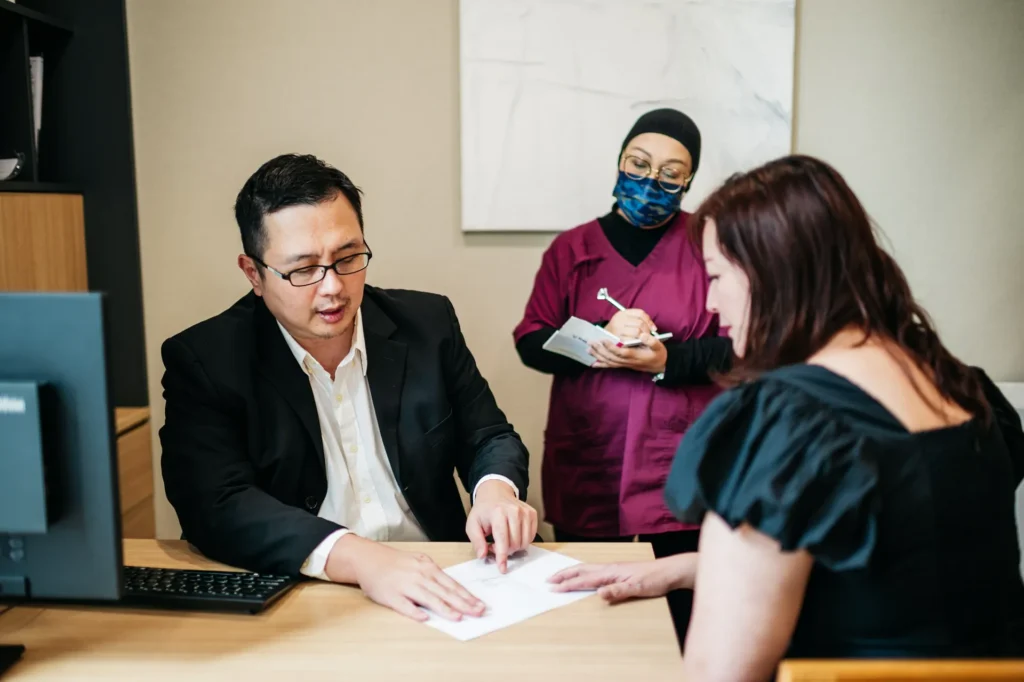
  • “Based on my X-rays and symptoms, am I a good candidate for a partial knee replacement, or do I need a total?”


  • “What are the specific risks of this surgery for me?”


  • “Do you use robotic-assisted technology for this surgery?”


  • “What will my rehabilitation and recovery look like?”
WHY CHOOSE DR YONG REN

Your Trusted Knee Pain Specialist

Knee Pain Consultation & X-ray

Dr Yong Ren brings extensive expertise to the field of minimally invasive orthopaedic procedures. His background includes specialist training in Switzerland, focusing on complex orthopaedic trauma and reconstruction, underscoring his capability in handling simple to highly complex joint issues.

Choosing us means you benefit from:

Minimally Invasive Focus

Dr Yong Ren’s practice prioritises the least invasive techniques, leading to smaller scars, less post-operative pain, and faster return to function.

Comprehensive Care Pathway

We believe in treating the whole patient, not just the injury. This includes a full, multi-modal pathway from non-operative treatments (like physical therapy and injections) to the latest surgical techniques.

Local Expertise and Clarity

We provide clear, locally-relevant guidance on everything from the procedure itself to the intricacies of Medisave claimability and insurance processing in Singapore.

Start Your Journey to Recovery Today

If you have been living with persistent pain, or if you have questions about your orthopaedic condition and wish to explore personalised, advanced treatment options, we encourage you to consult with Dr Yong Ren.

Take the first step toward a pain-free life with a $150 Knee Pain Consultation & X-ray.